





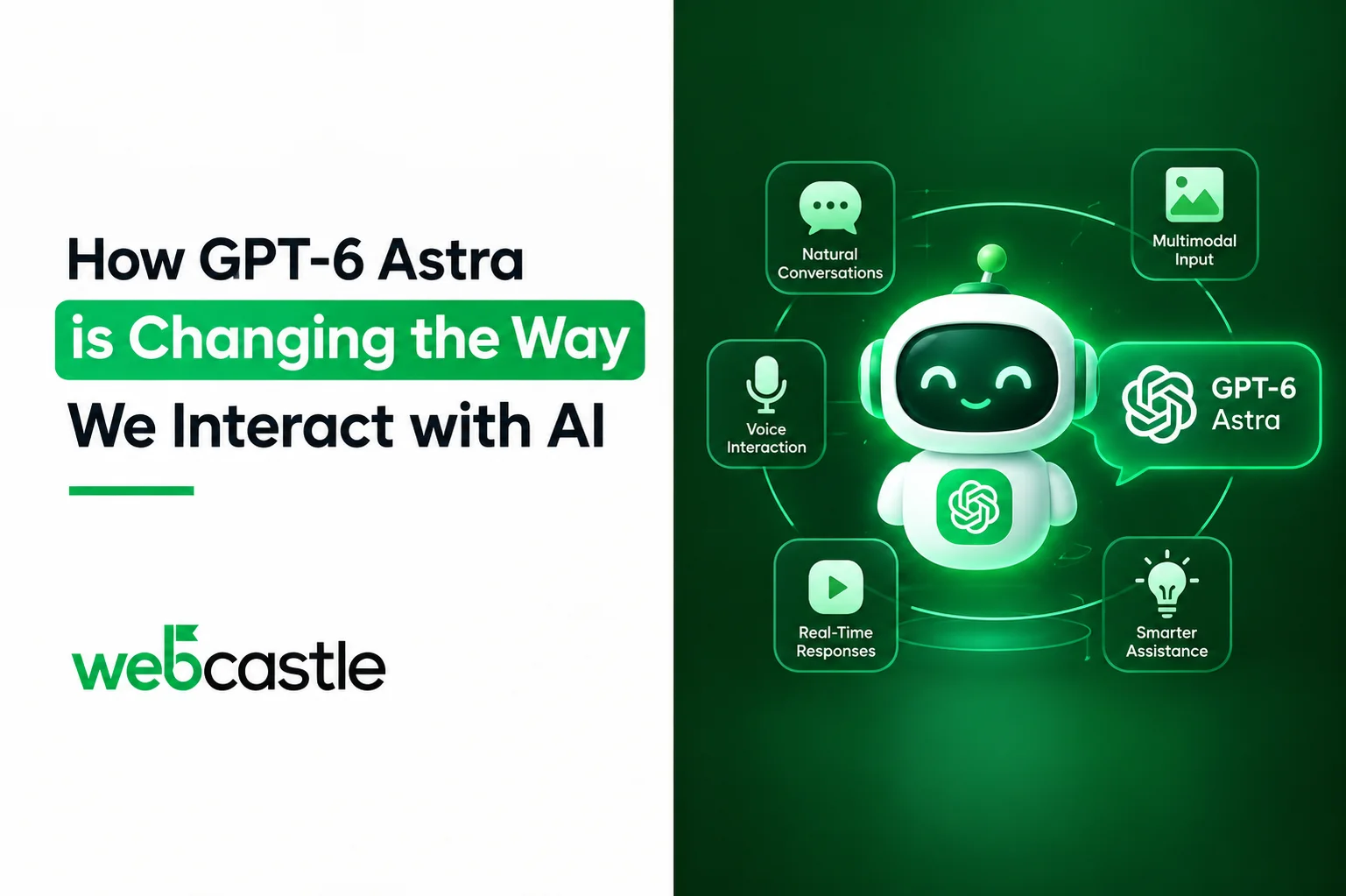
OpenAI began rolling out GPT-6 Astra on September 3, 2026. It’s the most capable mainstream model so far at operating software on your behalf, and that changes what AI means for a business and what your digital tools need to handle. This piece covers what shifted, why the workflow change matters more than the benchmark numbers, and what to do before you spend a dirham chasing the hype.
The way we interact with AI just changed
You ask a good question and get a good answer. Then you still have to open ten tabs and do the work yourself. The model was smart, but your afternoon didn’t get any shorter.
GPT-6 Astra was built to close that gap.
Since ChatGPT launched, most AI models have worked as conversation partners: you type, they respond, you act on the response. Even tools from the last two years mostly automated narrow, single-app tasks. Knowing what to do and getting it done have stayed separate, and the second part has always fallen to the human.
Astra is OpenAI’s attempt to take on that second part. It’s built for computer use: navigating software, filling in forms, moving between browser tabs and documents, and finishing multi-step tasks without someone watching every click.
What actually changed
Here’s what OpenAI’s own release and safety documentation supports:
- On OSWorld 2.0, a benchmark that tests how well a model operates a computer, Astra scored 72.6%, up from 65.7% for its predecessor, GPT-5.6 Sol. It also finished tasks in roughly 47% less time.
- It scored 98% on FrontierMath Tier 4 and 99.9% on ARC-AGI-3, both designed to be hard for pattern-matching models to fake.
- It’s OpenAI’s first model to cross the critical cybersecurity capability threshold under its own Preparedness Framework. With the right access, it can find and exploit unknown vulnerabilities in well-protected systems.
- That autonomy raises the risk of misuse as well, so OpenAI shipped Astra with enterprise access off by default. It also refuses higher-risk requests, such as generating proof-of-concept exploits.
What this means for a business
None of this matters if it stays a benchmark score. Here’s where it touches your operations:
- Customer-facing tools get more capable. A support agent or booking assistant built on Astra can complete a multi-step task instead of answering a question and sending the user back to a form.
- Internal workflows shrink. Research, data pulls, report drafting and QA testing on your own site used to take a person moving between five tools. Astra is designed to chain that kind of work together.
- Site architecture starts to matter more. An AI agent completing a task needs clean structure, clear labeling and working forms. Sloppy UX that a human could muscle through becomes a hard stop for an agent acting on a customer’s behalf.
Should you build on this right now?
Be honest with yourself first. Astra is capable, but it’s also brand new and more expensive per token than its predecessor, and its cybersecurity profile demands real access controls.
The businesses that get value from this generation of AI won’t be the ones that bolt it onto everything. They’ll pick two or three workflows where autonomous execution saves real time, measure the result, and expand from there with proper permissions in place.
What this shift means for your business
AI has gone from a tool you consult to a tool that can finish work on its own. For a business, that creates two connected needs. The first is the digital foundation: a site or platform clean and well structured enough for an AI agent to navigate and act within. The second is knowing which workflows are worth automating and which still need a human making the call. Get either one wrong and Astra’s capability never reaches your customers or your team.
We build that foundation at WebCastle Technologies, one of the more established website development companies in Dubai. As an AI solutions company in Dubai, we also pair that infrastructure with a practical AI strategy, working alongside your existing digital setup rather than bolting a chatbot on top of it.
Also Read: How AI Agents Are Changing the Future of Ecommerce Websites
Where to start
If you’re weighing whether GPT-6 Astra or agentic AI belongs in your business, don’t rely on assumptions. After more than 18 years of building digital infrastructure, we’ve seen that the businesses that win rarely move first. They build on something solid enough to hold up under whatever comes next.
Contact us and we’ll walk through what’s worth building for your business right now, and what can wait.
Related Blogs

12 October 2026

05 October 2026
23 September 2026
17 September 2026
11 September 2026
04 September 2026

28 August 2026
24 August 2026
18 August 2026
12 August 2026
05 August 2026
27 July 2026

21 July 2026
14 July 2026

07 July 2026
03 July 2026

26 June 2026
22 June 2026

12 June 2026
09 June 2026

04 June 2026
26 May 2026

19 May 2026

14 May 2026

08 May 2026
04 May 2026
20 April 2026

15 April 2026

30 April 2026

22 April 2026
08 April 2026

17 March 2026
12 March 2026

09 March 2026
06 March 2026
04 March 2026

26 February 2026

17 February 2026

19 February 2026

17 February 2026

13 February 2026

23 January 2026
By WebCastle

23 January 2026
By WebCastle

22 January 2026

19 January 2026
By WebCastle

19 January 2026
By WebCastle

22 December 2025

19 December 2025

18 December 2025
17 December 2025

15 December 2025

26 November 2025

20 November 2025

04 November 2025

23 October 2025

14 October 2025

10 October 2025

30 September 2025

25 September 2025

22 September 2025

16 September 2025

12 August 2025

08 August 2025

17 July 2025

19 June 2025

16 June 2025

16 June 2025

09 June 2025

27 May 2025

13 May 2025

09 May 2025

06 May 2025

05 May 2025

17 April 2025

15 April 2025

25 March 2025

20 March 2025

12 March 2025

07 March 2025

26 February 2025

24 February 2025

12 February 2025

04 February 2025

27 January 2025

22 January 2025

15 January 2025

10 January 2025

10 January 2025

27 November 2024

27 November 2024

20 November 2024

20 November 2024

04 November 2024

03 October 2024

22 July 2024

01 July 2024

27 May 2024

22 May 2024

22 May 2024

15 April 2024

27 February 2024

31 January 2024

31 January 2024

30 January 2024

26 January 2024

18 January 2024

17 January 2024

12 January 2024

11 January 2024

29 December 2023

28 December 2023

22 December 2023

19 December 2023

15 December 2023

14 December 2023

08 December 2023

07 December 2023

28 November 2023

28 November 2023

27 November 2023

22 November 2023

22 November 2023

16 November 2023

15 November 2023

10 November 2023

07 November 2023

03 November 2023

30 October 2023

20 October 2023

27 September 2023

27 September 2023

05 September 2023

05 September 2023

01 August 2023

01 August 2023

20 July 2023

28 June 2023

24 May 2023

19 May 2023

04 April 2023

13 January 2023

22 December 2022

25 November 2022

04 November 2022

27 September 2022

26 September 2022

27 August 2022

26 August 2022

28 July 2022

21 July 2022

30 June 2022

28 June 2022

13 May 2022

19 April 2022

15 February 2022

16 December 2021

23 August 2021

24 July 2021

22 June 2021

21 May 2021

16 April 2021

15 February 2021

07 January 2021

12 November 2020

14 September 2020

28 July 2020

19 May 2020

14 February 2020

02 December 2019

17 October 2019

13 September 2019

18 September 2019

17 November 2017

14 March 2018

24 May 2018

02 February 2018

14 September 2018

