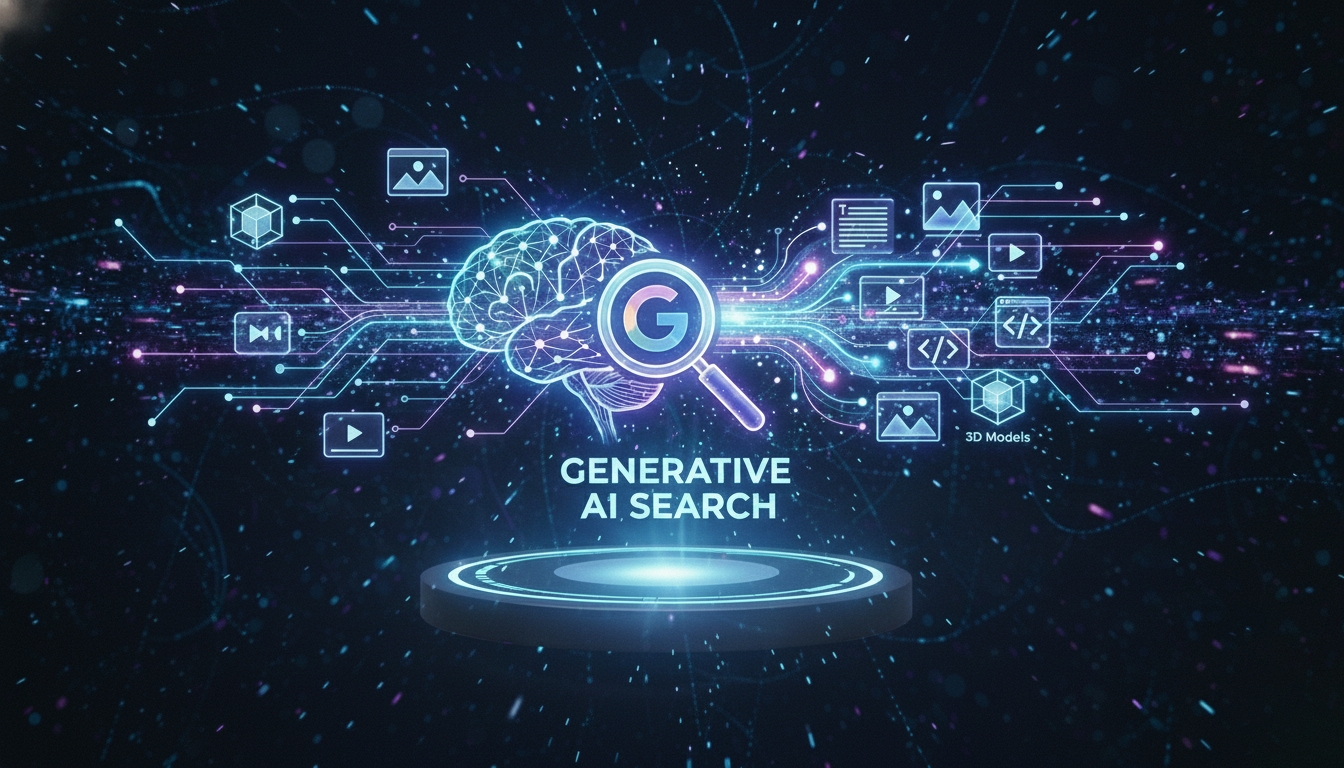



Search is no longer limited to a list of links.
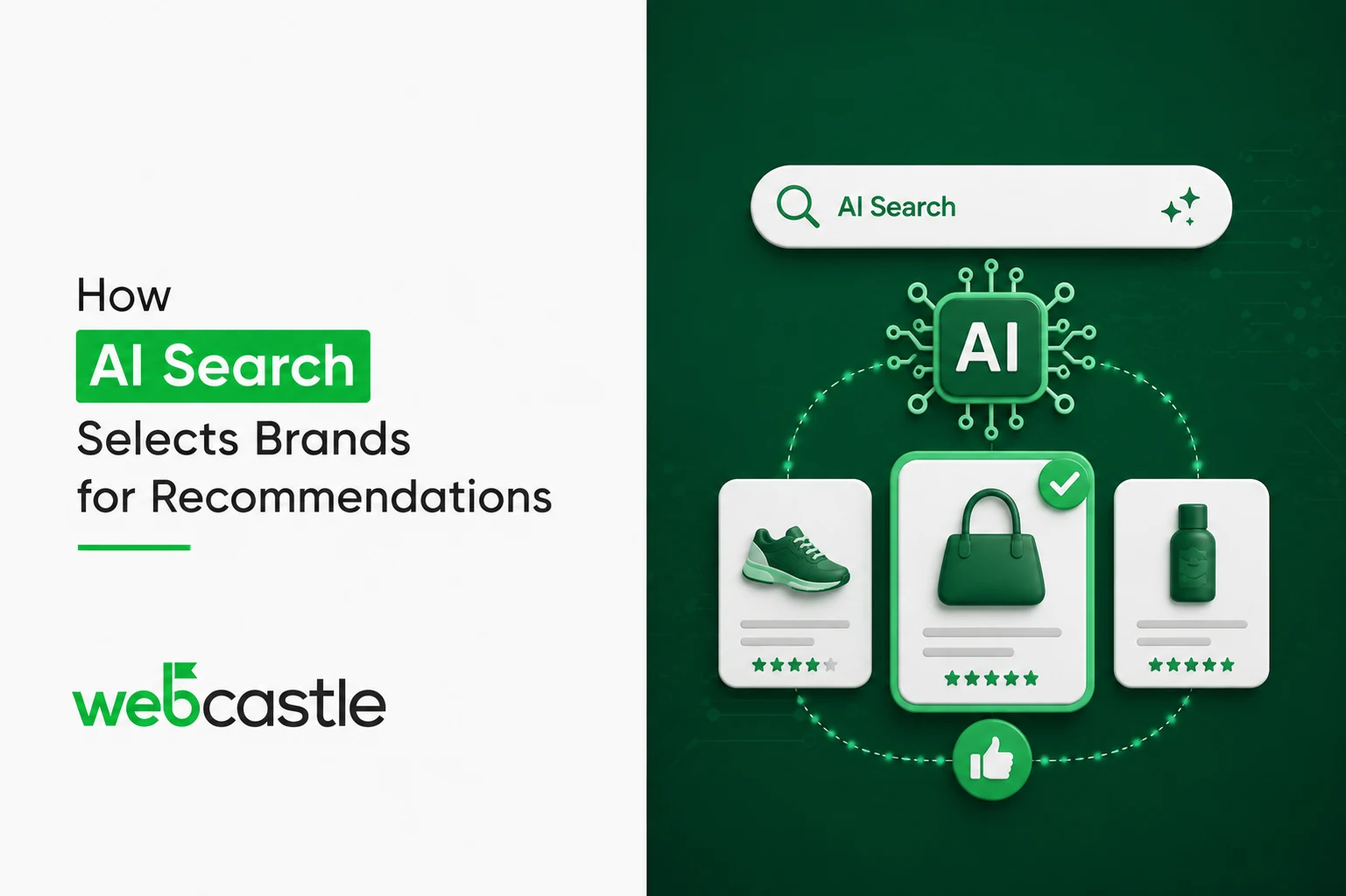
People are increasingly asking AI tools for direct recommendations instead of searching through dozens of websites themselves. According to BrightLocal, nearly half of consumers are now asking AI for business recommendations, showing how AI is becoming part of the local business discovery process. ChatGPT, Google AI Overviews, Gemini, and other AI search experiences can gather information from multiple sources and present a short answer that includes selected brands.
For businesses, this creates a new kind of search visibility. It is no longer enough to rank for a keyword and wait for someone to click on your website. Your brand also needs to be understood by AI systems as a relevant, credible, and trustworthy business.
There is no single formula that determines which brands an AI system will recommend. Different platforms use different systems and sources. However, several signals can influence how a business is understood and whether it has a chance of being included in an AI-generated answer.
This makes it important for brands to build visibility not only on their own websites but across the wider web.
How AI Search Recommendations Work
AI search combines search, information retrieval, and content generation to answer user questions. The system may search for relevant information, consider multiple sources, and then generate a response based on the information it finds.
ChatGPT Search, for instance, can rewrite a user’s query into more targeted searches and use search providers to find relevant information. OpenAI also states that ChatGPT Search ranking uses multiple factors designed to help users find reliable and relevant information, with no guaranteed way to receive top placement.
Google’s AI search experiences work in a similar broad direction. Google has explained that AI Overviews and AI Mode can use query fan-out, allowing the system to explore multiple related searches and sources before producing a response.
This means a brand can be evaluated through more than its own website. Information from other websites, reviews, business listings, publications, and other sources can contribute to the overall picture an AI system builds about a business.
The key question is no longer only whether your page ranks. It is whether your brand has enough relevant and reliable information available for AI systems to understand and recommend it.
Key Factors AI Search Considers When Selecting Brands
While there is no universal list of AI ranking factors, some areas consistently matter when building a strong digital presence.
Relevance
Your brand needs to be clearly relevant to the subject being searched.
Your website should communicate what your business does, which services or products you provide, the markets you serve, and the areas in which you have expertise.
Clear positioning helps search systems understand the relationship between your brand and the topics you want to be associated with.
Content should also answer specific questions instead of relying on broad statements. The more useful and focused the information is, the easier it is for both users and search systems to understand its purpose.
Authority & Expertise
AI systems need reliable information when producing answers.
Authority is built through demonstrated knowledge, experience, and recognition within your industry. Detailed service content, original research, expert contributions, case studies, credentials, and useful insights can all help establish expertise.
However, authority should not come only from your own website.
This is where third-party sources become particularly important. Independent publications, industry websites, professional organizations, and other credible sources can provide additional evidence about your business and expertise.
Google’s guidance for its AI search experiences continues to emphasize original, useful content that provides value to users rather than content created primarily to manipulate search systems.
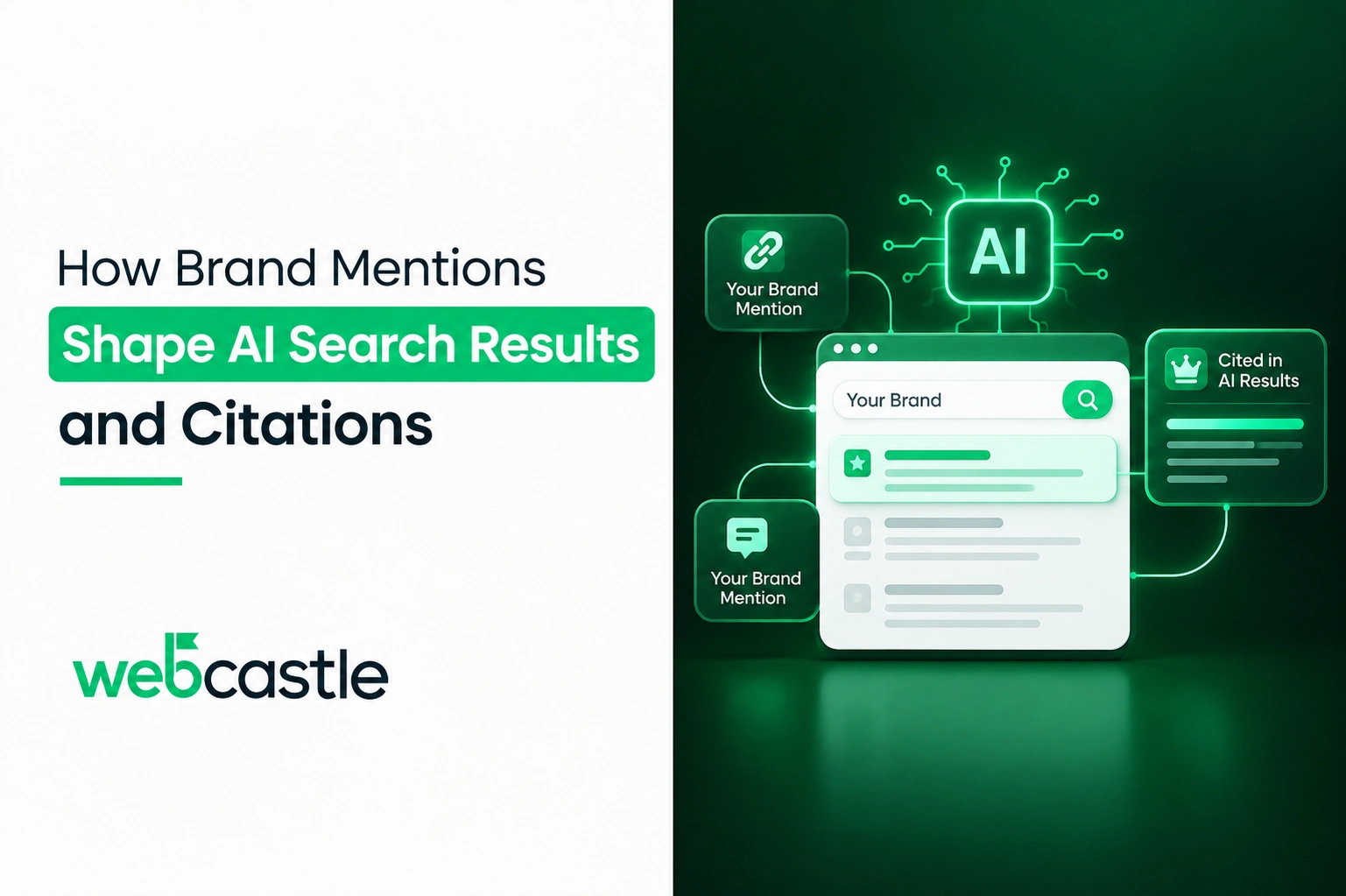
Brand Mentions & Online Presence
Your brand’s presence across the web can influence how clearly it is understood.
When a company appears consistently across relevant publications, business directories, industry websites, social platforms, review sites, and other trusted sources, there is more information available about the business outside its own website.
This does not mean that more mentions automatically lead to more AI recommendations. Quantity alone is not the objective.
The focus should be on relevant and credible mentions that reinforce what your business does and the areas in which it has genuine expertise.
Reviews & Reputation
Reviews provide independent feedback about your business.
A company’s website naturally presents its strongest messages. Reviews give customers and search systems another source of information.
Consistent, genuine reviews can help establish a broader picture of your reputation. They can also highlight areas of customer satisfaction, service quality, and real-world experience that may not appear on your own website.
Brands should focus on encouraging genuine customer feedback and responding professionally to reviews. Manufactured or misleading reviews can damage trust and reputation.
Content Quality
AI search needs useful information to build useful answers.
Content should be accurate, specific, well-structured, and written for people. It should add something useful rather than simply repeat information that already exists across hundreds of websites.
Strong content can include original research, expert opinions, data, detailed explanations, first-hand experience, case studies, and clear answers to customer questions.
Google’s current guidance recommends creating unique and satisfying content for users as the foundation for performing well in both traditional and AI-powered search experiences.
Consistency of Business Information
Consistency is another important part of building a clear digital identity.
Your business name, address, contact details, services, locations, industry, and other important information should be accurate across the platforms where your company appears.
Inconsistent information can make it harder to establish a clear understanding of your business.
A strong digital presence should tell the same basic story everywhere. Your website, business profiles, directories, social accounts, review platforms, and third-party mentions should reinforce rather than contradict one another.
Why Brand Authority Matters in AI Search
Brand authority matters because AI systems need evidence when deciding which information to use.This is where third-party proof becomes especially valuable.
Your website tells search systems what you claim about your business. Independent sources can provide supporting evidence. Third-party proof can include industry publications, credible business websites, customer reviews, professional organizations, interviews, awards, relevant directories, and genuine mentions from other authoritative sources.
The important point is that third-party proof should be earned, relevant, and credible.Getting hundreds of low-quality mentions will not automatically make a brand more trustworthy. In fact, a large amount of irrelevant or low-quality content may add very little value.
A stronger approach is to build a digital footprint where different credible sources consistently confirm the same core information about your business.
This also makes brand authority broader than traditional link building. A backlink can be useful, but the surrounding context matters too. What does the source say about your company? Is the source relevant to your industry? Is the information accurate? Does it support the expertise you claim?
These questions are increasingly important as AI systems retrieve information from multiple sources before generating answers.
How Brands Can Increase Their Chances of Being Recommended by AI Search
There is no guaranteed method for getting a brand recommended by AI search. However, businesses can improve their overall visibility by focusing on the fundamentals.
Create helpful, answer-focused content
Build content around the questions, concerns, and needs of your audience. Give clear answers instead of creating pages mainly to target keywords.
Strengthen E-E-A-T signals
Demonstrate experience, expertise, authority, and trust through real authors, credentials, original insights, case studies, customer results, and transparent business information.
Build quality backlinks and brand mentions
Focus on earning coverage from relevant and credible publications, industry websites, professional platforms, and other trusted sources.
Build third-party proof
Look beyond your own website. Encourage genuine recognition of your expertise through reviews, media coverage, partnerships, industry contributions, and other independent sources.
Maintain accurate business information
Keep your business details consistent across your website, business profiles, directories, review platforms, and social channels.
Encourage genuine customer reviews
Real customer experiences can strengthen your reputation and provide useful independent information about your business.
Use structured data where relevant
Structured data can help search engines understand specific information on a webpage. It should be part of a sound technical SEO strategy, not treated as a shortcut for AI recommendations. Google does not require special schema markup specifically for AI Overviews or AI Mode.
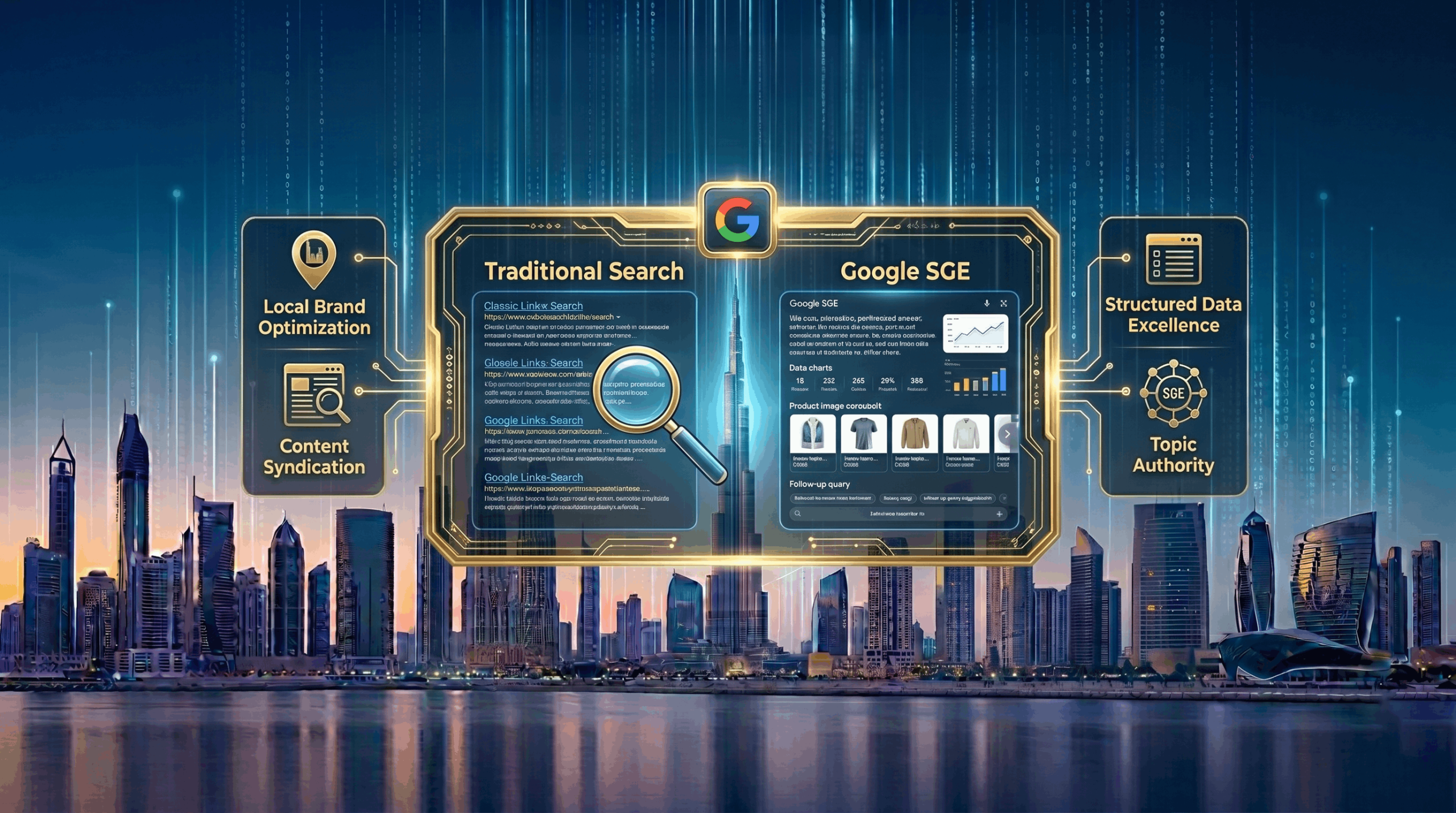
AI Search vs Traditional Google Search
Traditional SEO has often focused on ranking individual pages for individual keywords.
AI search expands the visibility equation. A single AI-generated response may draw on several searches and multiple sources before presenting an answer. This means a brand’s visibility can depend on its broader presence across a topic or category rather than a single keyword ranking.
This does not mean traditional SEO is no longer important. Google has clearly stated that its existing SEO fundamentals remain relevant for AI search experiences.
The difference is that brands now need to think about more than rankings.
They need to consider how clearly their business is represented across the web, whether credible sources support their claims, and whether their content provides enough useful information for AI systems to understand their expertise.
Search visibility is becoming increasingly connected to brand visibility.
Measuring Brand Visibility in AI Search
Measuring AI visibility requires a broader approach than checking your Google rankings. Start by identifying the questions your target audience is likely to ask AI search tools. Run relevant queries across platforms such as ChatGPT, Google AI Overviews, Gemini, and other AI search experiences.
Track which brands are mentioned, which sources are cited, how your business is described, and whether the information presented about your company is accurate. Pay attention to the sources that appear repeatedly. These can reveal where your competitors have stronger third-party visibility and where your own brand may need more authority or coverage.
You should also monitor your website’s performance through available search analytics. Google introduced dedicated Search Console reporting for visibility in generative AI features such as AI Overviews and AI Mode, with the reporting being rolled out to a subset of websites.
For ChatGPT Search, website owners should also make sure they are not blocking OAI-SearchBot if they want their content to be discoverable and potentially cited. OpenAI notes that there is no guarantee of top placement in ChatGPT Search. AI visibility should therefore be measured over time rather than through a single search or one fixed ranking position.
Want Your Brand to Be Recommended by AI?
Building AI search visibility requires more than adding AI-related keywords to a website. Your brand needs clear positioning, useful content, strong SEO foundations, credible third-party proof, genuine customer feedback, and consistent business information across the web.
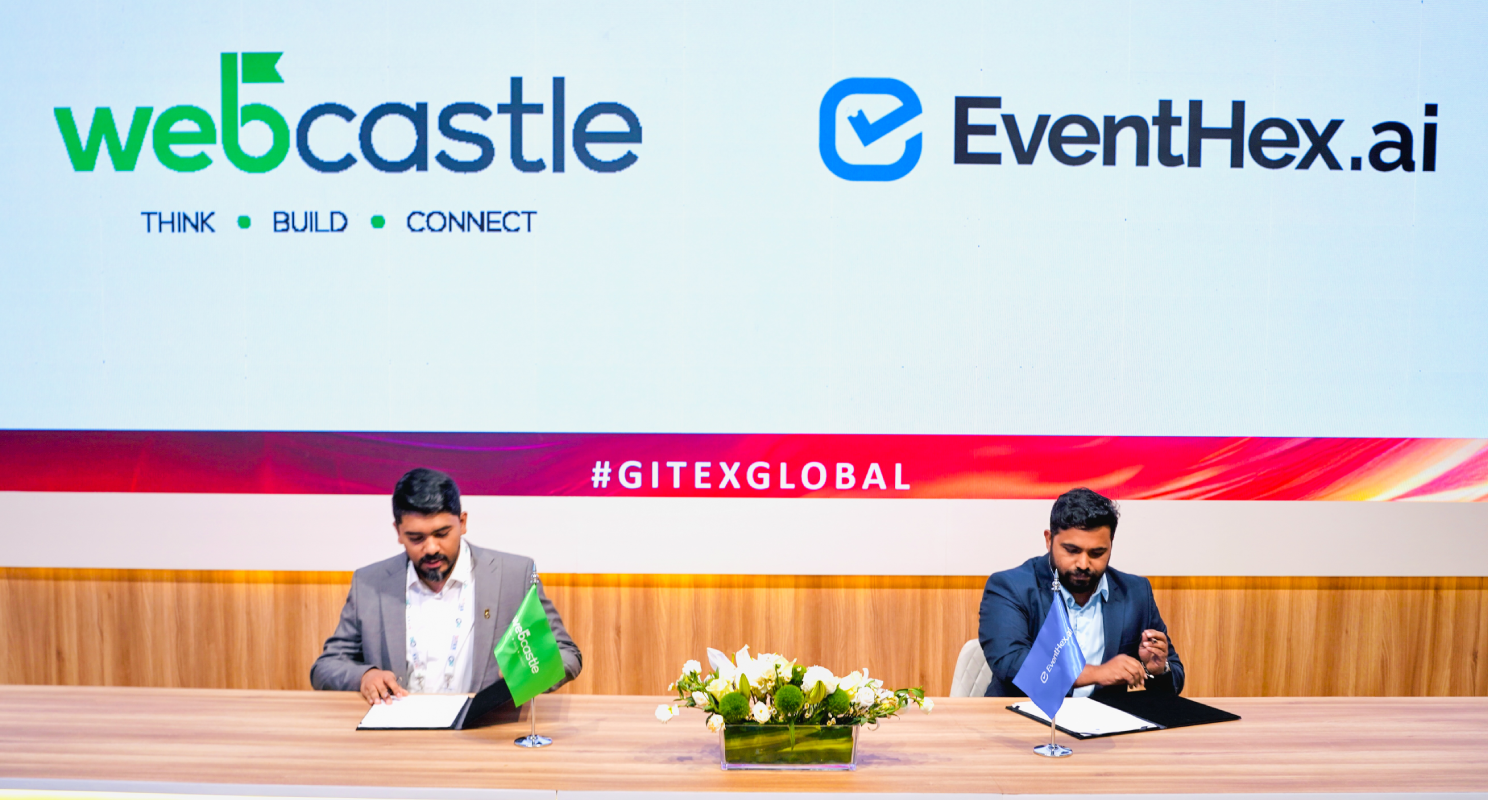
WebCastle Technologies helps businesses strengthen their online visibility through SEO, digital marketing, content, and AI-focused solutions. As a Best Digital Marketing agency in Dubai, WebCastle can help businesses build a stronger digital presence and communicate their expertise more clearly across search platforms. Its experience as an SEO agency in Dubai, combined with its work in AI and digital solutions, gives businesses a broader approach to long-term search visibility.
For companies looking to strengthen their presence in AI-driven search, working with experienced AI companies in UAE can help create a stronger foundation for future discovery.
Conclusion
AI search is changing how people discover and evaluate brands. A strong Google ranking remains valuable, but it is no longer the only measure of search visibility. AI systems can gather information from multiple sources and use that information to create direct answers and recommendations.
Brands that want to compete in this environment need to think beyond their own websites. They need useful content, clear positioning, accurate business information, genuine reviews, strong SEO, and credible third-party proof.
Most importantly, the goal should not be to create content simply to influence an AI system. The goal should be to build a brand that is genuinely useful, credible, and well understood across the web.
When your brand is consistently represented by your own content and supported by independent sources, AI systems have more reliable information to work with. That is the foundation of long-term visibility in AI search.