


“We’re an AI-powered company now.” Someone in your industry has probably said this exact sentence in a meeting this month. What they mean, most of the time, is that they added a chatbot to their website and haven’t checked on it since.
That’s not integration. That’s decoration.
Real AI integration is quieter than that, and a lot less Instagram-worthy. It happens in the backend, in the workflows nobody screenshots, in the decisions that get faster and cheaper month after month. It takes longer to build and it won’t make for a press release — but it’s the only version that actually changes how a business runs. Plenty of companies have AI sitting somewhere in their operations by now. Far fewer can point to what it’s actually done for them — time saved, costs down, decisions made faster.
That gap is the real story here. Using AI and benefiting from it are two different things, and this blog is about closing that distance: where the value genuinely shows up, why most companies stall out before they get there, and what a smart first step actually looks like.
Why AI Integration Matters for Business Growth
Not because it’s trendy. Because your competitors who get it right will operate at a lower cost structure than you, respond to customers faster than you, and make decisions with better data than you. That’s the entire argument.
In customer-facing, data-heavy industries, this isn’t optional anymore — it’s table stakes. The real question isn’t whether to adopt AI. It’s whether you do it with a plan or by accident.
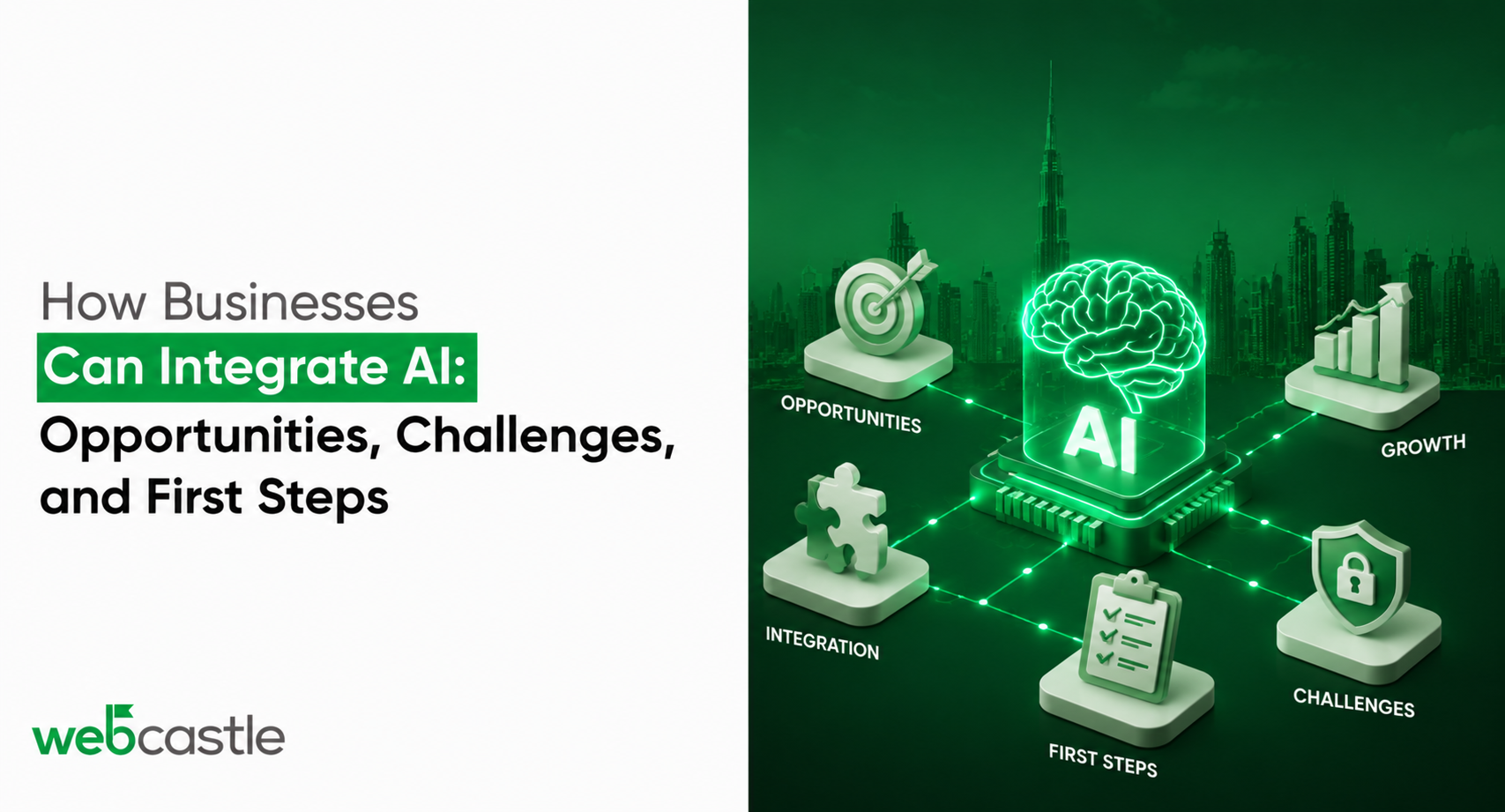
Key Opportunities for AI Integration
Customer Support and AI Chatbots
Salesforce’s 2025 State of Service report, based on 6,500 service professionals surveyed globally, found AI already resolves 30% of service cases today — a number expected to hit 50% by 2027. That’s not a future prediction; it’s happening in live support queues right now.
Marketing and Personalization
Segmentation, dynamic content, and predictive send times all run faster and more accurately with AI models trained on your own customer data. Personalization is only as good as the data feeding it.
Process Automation
Repetitive workflows — invoice processing, scheduling, basic reporting — are the easiest AI wins, and the ones businesses underuse most. Low risk, fast payback, minimal disruption.
Data Analytics and Business Intelligence
AI-driven analytics tools surface patterns a human analyst would miss or take weeks to find. The advantage isn’t the data — you already have that. It’s the speed of turning it into a decision.
AI Implementation Challenges Most Companies Underestimate
Data Privacy and Security
Gartner’s research on AI risk found security threats are now the top implementation barrier for organizations with mature AI programs, cited by 48% of leaders. Employees pasting confidential data into public AI tools is a bigger risk than most security teams have accounted for.
Integration with Existing Systems
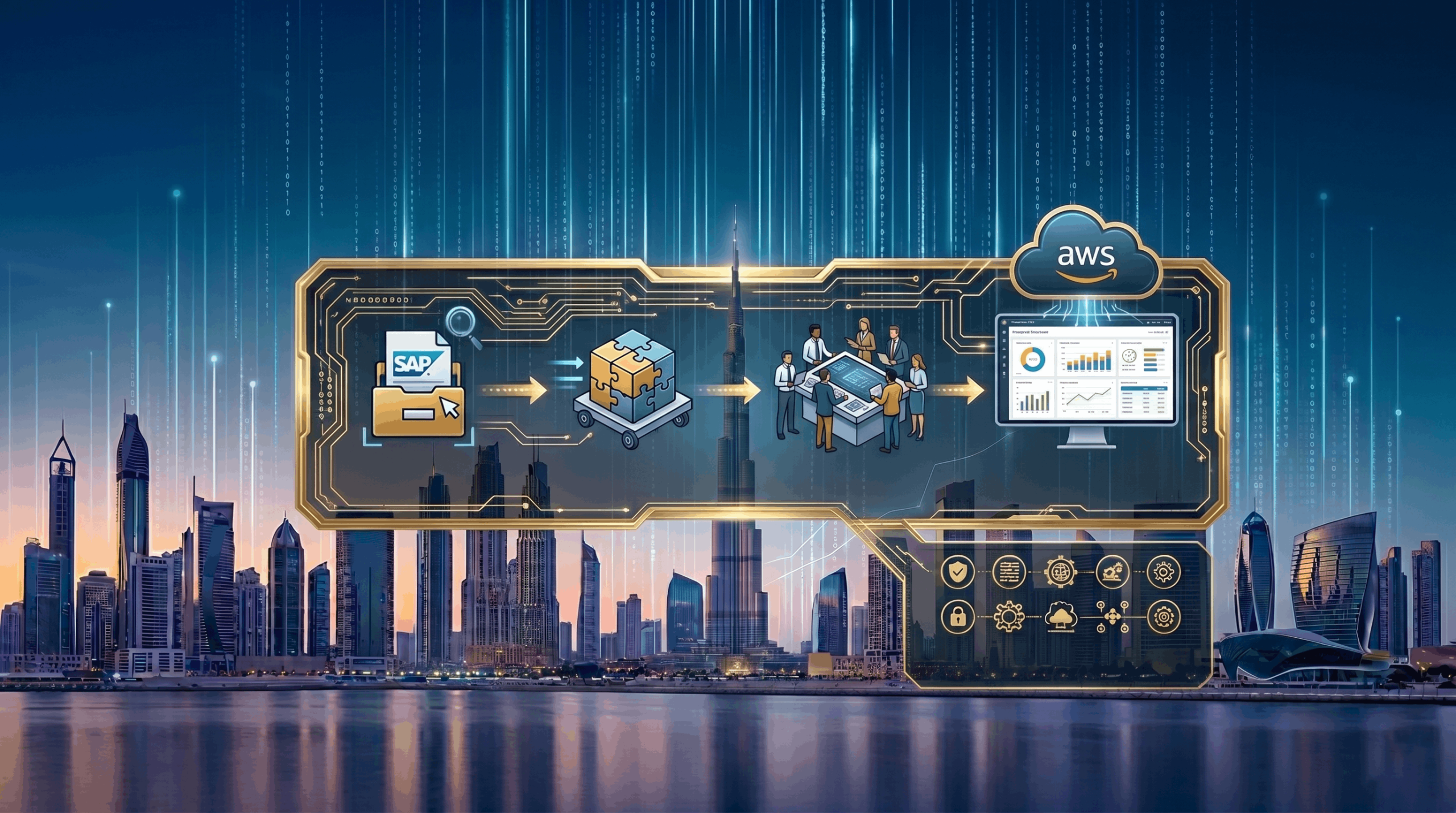
Legacy software and AI tools don’t talk to each other by default. This is where implementation stops being a strategy question and becomes an engineering one.
Skill Gaps and Employee Adoption
Buying the tool is the easy part. Getting a team to actually change how they work is where most AI projects quietly die.
Cost and ROI Considerations
Per Gartner’s Q4 2024 survey of 432 leaders across six countries, data quality remains a top-three barrier for 29%-34% of organizations, regardless of AI maturity.
How to Implement AI: First Steps That Actually Work
Identify business needs: If you can’t name the problem in one sentence, you’re not ready to buy anything.
Evaluate data readiness: Fragmented or poorly labeled data will sink an AI project before it starts.
Start with a pilot project: One team, one clear use case, one success metric.
Choose the right AI solution: Fit the tool to the problem you defined in step one, not the other way around.
Best Practices for Long-Term AI Success
High-maturity AI organizations keep their projects running for three years or more at more than double the rate of low-maturity ones. Longevity, not launch speed, is the real signal of success. Assign clear ownership, measure outcomes against the metric you picked at the pilot stage, and resist the urge to scale before the pilot has actually proven itself.
If you’re weighing where AI fits into your operations, or you need the systems and API integration services to actually support it, WebCastle Technologies can help. With 17+ years of experience serving businesses across UAE, we are prominent in web development services in Dubai and integration work that makes AI adoption something that actually functions, not just something you announced.
Conclusion
AI is harder to implement than most companies expect, and most underestimate the effort involved. The businesses that pull ahead aren’t the ones announcing AI in a press release — they’re the ones who’ve actually built it into how their systems and teams work day to day.
Get in touch with WebCastle Technologies to scope your AI integration project.