


Attracting visitors to your online store is just the first step. You also need to turn those visits into sales. Customers may leave without buying if product details are unclear, delivery charges are too high, or the checkout process takes too long. Spending more on ads will not solve these problems on its own.
A good ecommerce digital marketing strategy should help customers find your store, understand your products, complete their purchases, and return when they need something again. This means improving your website, working on SEO, running ads carefully, and staying in touch with customers. Start by finding out where shoppers leave your store and fix those problems before increasing your marketing budget.
How to Build an Effective Ecommerce Digital Marketing Strategy
Set Clear Ecommerce Marketing Goals
Getting more website visitors is not enough. You need to know whether those visitors are buying and whether your store is making a profit. Start by tracking these numbers:
- Revenue: The total money your store earns from sales.
- Conversion rate: The percentage of visitors who complete a purchase.
- Customer acquisition cost (CAC): How much you spend to get a new customer.
- Average order value (AOV): The average amount a customer spends on one order.
- Repeat purchase rate: The percentage of customers who buy from you again.
Use your current results to set realistic targets. Remember to count product costs, shipping, payment fees, returns, and advertising expenses. A campaign may bring in more sales but still lose money if the costs are too high.
Build a Strong Ecommerce SEO Strategy
Search engine optimization (SEO) helps people find your products when they search on Google and other search engines. For an online store, good SEO starts with clear category pages, useful product information, and a website that works well on mobile devices.
Focus on these tasks:
- Give every important product and category page a clear purpose.
- Write product titles and descriptions that match what customers search for.
- Add useful alt text to product images and reduce image file sizes without affecting quality.
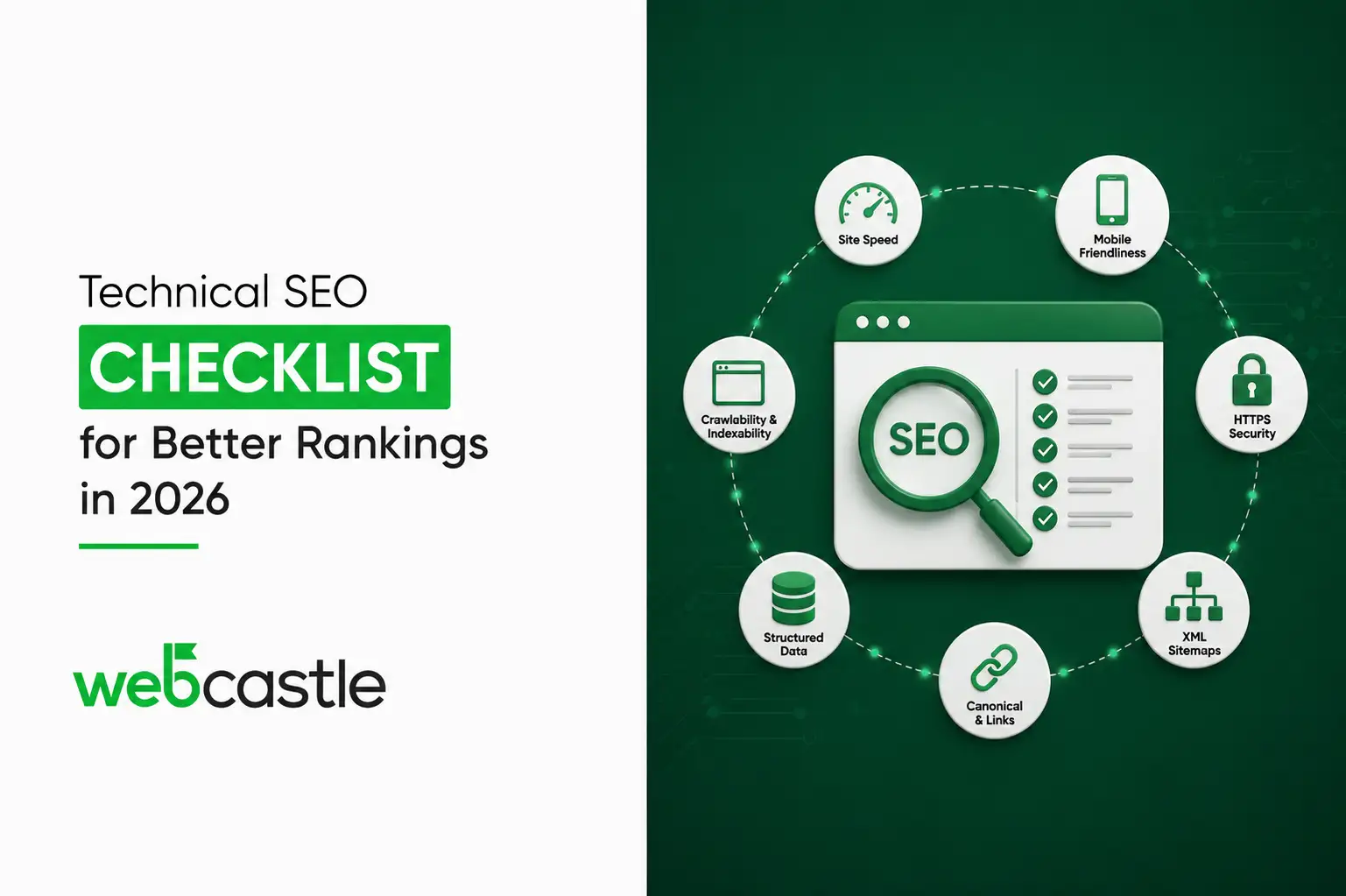
- Check page speed, mobile usability, broken links, and indexing issues.
- Add product structured data to help search engines understand details such as price, availability, and reviews.
If your store struggles to appear in search results, working with the best SEO agency can help you find technical issues, improve product and category pages, and plan content around the words your customers use when searching. Choose an agency that explains its work clearly and measures progress using relevant results, such as organic traffic, product enquiries, and sales.
Google provides guidance on ecommerce SEO, site structure, and product data. Following these guidelines can help search engines understand your store, although it does not guarantee better rankings or sales.
Use Content Marketing to Attract Buyers
Customers often look for more information before choosing a product. Someone buying a coffee machine may want to compare different models, while someone shopping for skincare may need details about the ingredients.
Your content should answer these questions and help people make a choice. You can publish:
- Product comparisons that explain the main differences.
- Buying guides that help customers choose the right product.
- Care guides and product demonstrations.
- Answers to common questions about sizes, compatibility, delivery, and returns.
Link each article to the related product or category page. This helps readers find the products they need and gives them a clear next step.
Improve Paid Advertising Performance
Google Ads and paid social campaigns can bring shoppers to your store, but you need to track what happens after they click. Before increasing your budget, check these three areas:
- Product feed quality: Make sure product titles, prices, stock status, and images match the details on your website.
- Conversion tracking: Check that completed purchases are recorded correctly, including the order value.
- Campaign profit: Compare advertising costs with sales revenue and the money left after product and fulfilment costs.
Test different ads, audiences, products, and landing pages. Change one main element at a time so you can see which changes make a difference.
Google Ads offers bidding options that use conversion values to help guide spending. Accurate tracking and useful conversion data help these campaigns make better decisions, but results still depend on your products, prices, competition, and website.
Grow Your Brand Through Social Media
People use social media to discover products, compare options, and see how products look or work in real life.
Instead of posting only promotional graphics, share product demonstrations, customer reviews with permission, comparisons, styling ideas, and answers to common questions. Adapt your content to each platform rather than posting the same material everywhere.
Track website visits, product views, enquiries, and sales along with likes and comments. Engagement can show that people are interested, but it does not tell you whether your social media activity is making money.
Use Email and WhatsApp Marketing
Not every shopper is ready to buy during their first visit. Some may want to compare prices, check their budget, or confirm delivery details before placing an order. Email and WhatsApp can help you stay in touch with these customers.
Use them to:
- Send reminders to shoppers who leave items in their carts.
- Confirm orders and share delivery updates.
- Notify customers when an out-of-stock product becomes available.
- Suggest related products when they are useful to the customer.
- Share care tips and other helpful information after a purchase.
Send marketing messages on WhatsApp only to customers who have agreed to receive them. Avoid sending too many messages and make it easy for customers to stop receiving promotions.
Use discounts carefully. If you offer them too often, customers may wait for the next sale instead of buying at the regular price. This can reduce your profit.
Use AI and Automation in Ecommerce Marketing
AI tools can help marketing teams write product descriptions, sort customer questions, recommend products, and analyse campaign data. As an AI solution partner in Dubai, we understand how these tools can save time on routine tasks, but their output still needs to be checked for accuracy and quality.
Always verify product details, prices, delivery information, and other claims before publishing content or sending messages to customers. Incorrect information can lead to complaints, returns, and lost trust. Use automation for tasks that follow clear rules, and keep people involved when a decision needs care or judgement.
Optimize Product Pages and Checkout
Customers should be able to find the information they need without contacting your support team. Each important product page should clearly show:
- What the product is and who it is suitable for.
- Price, available options, size, and materials.
- Delivery charges and estimated delivery times.
- Return, refund, and warranty conditions.
- Genuine customer reviews and clear product photos.
Next, test the checkout process on a mobile phone. Remove unnecessary form fields, show the full order total before payment, provide suitable payment options, and explain how to fix errors.
Use website data to find where shoppers leave the checkout process. Start with the biggest problem and check whether fixing it improves completed purchases.
Focus on Customer Retention
Getting new customers is important, but keeping existing customers can also help your store grow. People who have had a good shopping experience may choose your store again when they need similar products.
Provide helpful support after a purchase, share product care tips, and ask for feedback at the right time. You can also suggest related products or remind customers to reorder items they use regularly.
Track repeat purchases, the time between orders, refunds, and customer lifetime value. These numbers help you understand whether customers return and how much value they bring to your business over time.
Track Results and Improve Your Strategy
Use Google Analytics 4 (GA4), Google Ads reports, your ecommerce platform, and order records to understand how customers move from a first visit to a purchase.
Review these metrics every month:
- Website traffic and sales from each marketing channel.
- Product page views and add-to-cart activity.
- Checkout completion and purchase conversion rates.
- Advertising costs and sales revenue for each campaign.
- Average order value and repeat purchases.
- Refunds, cancellations, and profit margins.
Check that your tracking works correctly before making decisions. If a campaign brings visitors but few sales, review the audience, ad message, product price, and landing page. Find the cause before spending more money.
Create a Practical 90-Day Ecommerce Marketing Plan
A 90-day plan helps you focus on the most important work instead of trying to change everything at once.
Days 1–30: Find the problems
- Review analytics, product pages, checkout, and conversion tracking.
- Set targets for sales, conversion rates, and profit margins.
- Choose the products and marketing channels that need the most attention.
Days 31–60: Make improvements and test them
- Improve important product and category pages.
- Fix technical SEO issues and product feed errors.
- Test ad campaigns, checkout changes, and abandoned-cart reminders.
Days 61–90: Focus on what works
- Move more budget towards campaigns that meet your profit targets.
- Publish content that answers common customer questions.
- Improve customer retention campaigns and compare the results with your starting figures.
Make changes one step at a time. This makes it easier to understand what works and what needs more attention.
Choosing an Ecommerce Marketing Partner in Dubai
Ecommerce businesses in Dubai need to understand local customer preferences, delivery expectations, payment options, and competition. Marketing plans should reflect these needs rather than follow the same approach used in every market.
WebCastle Technologies, a digital marketing company in Dubai, offers SEO, paid advertising, social media marketing, and ecommerce development services.
Before choosing a marketing partner, ask how it measures campaign results and how its work supports your sales goals. Look for a team that can explain its recommendations, identify website problems, and report on meaningful results rather than focusing only on traffic.
Also Read: How AI-Powered eCommerce Systems Can Improve Existing Business Workflows
Conclusion
A successful ecommerce digital marketing strategy starts with understanding what your customers need and where your store loses potential sales. Improve those areas, track the results, and invest more in the activities that support your business goals.
If you need help improving your online store, contact WebCastle Technologies to discuss your website, current marketing efforts, and sales targets.