

You have an app idea, a budget, and maybe even a launch date. Then you start comparing Android app development companies in Dubai and face the same problem. Almost every company has a portfolio and promises quality, fast delivery, and competitive pricing. But how do you know which company will actually be the right partner for your product?
For a new business, choosing an app development company is more than just comparing prices. The wrong choice can result in an expensive app that is difficult to maintain, performs poorly on real devices, or needs major changes before the business has even found its target customers.
The right development partner should help you understand what needs to be built, what can wait, and what technical decisions will affect your product in the future.
This guide explains what to look for when choosing an Android app development company, what questions to ask, and which technical areas you should discuss before signing a contract.
Before choosing a company, make sure it can:
- Help you define a realistic MVP based on your business idea.
- Show relevant Android projects instead of only general design work.
- Explain whether native or cross-platform development is better for your product and why.
- Plan for APIs, security, testing, and future updates.
- Keep the app aligned with Google Play requirements.
- Give you clear ownership of the source code, accounts, and other product assets.
- Provide support after the app is launched.
A good development partner should make technical decisions easier to understand rather than hiding them behind complicated terms.
Where Most New Businesses Go Wrong
Many new businesses approach app developers before clearly defining what they want to build.
They may have a good idea but no clear plan for the first version of the app. They might request user registration, payments, chat, maps, notifications, admin dashboards, and many other features because they want the app to feel complete from the beginning.
This can increase development costs and leave less room to learn from real users.
A good development company should not simply accept every feature on your list. It should ask questions and help you decide what is actually needed for the first release.
Before requesting proposals, try to answer these questions:
- Who will use the app?
- What problem does it solve?
- What is the main action users should be able to complete?
- Which features are essential for the first version?
- Which existing systems need to connect with the app?
- What changes might the business need to make six months after launch?
These answers give the development team a much clearer idea of what needs to be built and estimated.
1. Look for Relevant Technical Experience
A long portfolio does not necessarily mean a company is right for your project.
Look for projects that have requirements similar to yours. An e-commerce app, a logistics platform, and an employee management app may all be Android applications, but each can have very different technical requirements.
Ask the development company:
- Which technologies were used and why?
- How was the backend and API integration handled?
- How were login, authentication, and payments implemented?
- How was the app tested across different devices?
- What improvements or fixes were made after launch?
The technology should be selected based on the needs of your product, not simply because a particular framework is popular.
If a company recommends native Android development, cross-platform development, or a particular framework, ask why. The explanation should consider your app’s performance, integrations, development requirements, budget, and long-term maintenance.
2. Ask How They Will Handle Android Compatibility
Android apps need to work across different screen sizes, devices, and Android versions. Depending on your target audience, this can include phones, tablets, foldables, desktops, and other Android-supported form factors.
This makes testing an important part of Android development.
Ask the development company:
“How will you test this app across the Android devices and versions used by my customers?”
A good answer should explain the testing process rather than simply saying, “We test everything.”
There is also an important Google Play requirement for businesses launching or updating Android apps in 2026. From August 31, 2026, new apps and app updates submitted to Google Play must target Android 16 (API level 36) or higher. Some other Android platforms, including Wear OS, Android Automotive OS, Android TV, and Android XR, have separate target API requirements.
Your development partner should therefore consider Android and Google Play requirements during development rather than waiting until the app is ready for submission.
3. Do Not Treat Security as a Final-Step Task
If your app handles names, contact details, payments, location data, or other personal information, security should be considered from the beginning.
Android recommends minimizing the permissions an app requests and using secure methods to protect user data. Google also recommends secure network communication and appropriate security practices for storing and handling sensitive information.
Ask your shortlisted development companies:
- What data will the app collect?
- Which permissions will the app need?
- Where will sensitive data be stored?
- How will API access be protected?
- How will security issues be handled after launch?
The development team should be able to explain these decisions in simple language. You should understand what information your app collects and how that information will be protected.
4. Read the Proposal Carefully
A low development quote can become expensive when important work is not included in the original scope.
Check whether the proposal clearly covers:
- UI and UX design
- Android app development
- Backend and API development
- Third-party integrations
- Testing and bug fixing
- Google Play deployment
- Source-code ownership
- Hosting and infrastructure
- Maintenance and future updates
You should also ask what happens when requirements change.
New businesses often change direction after speaking to customers and testing their first product. Your agreement should explain how new requirements will be handled and how additional costs will be calculated.
Pay attention to unclear phrases such as “support included” or “testing included.” Ask what these terms mean in practice.
For example, find out how long support will be provided, what counts as a bug, how critical issues are handled, and whether new features are charged separately.
5. Ask What Happens After Launch
An app is not finished just because it has been published on Google Play.
After launch, the app needs to be monitored, maintained, and updated. Android Vitals provides developers with information about app quality, including user-perceived crash rates and ANR rates. These are core vitals, and poor results can affect an app’s visibility on Google Play.
Before choosing a development partner, ask who will handle:
- Crashes and bugs
- Android version updates
- Dependency updates
- Security fixes
- Performance issues
- Google Play submission problems
- Future feature development
You should also understand the support process.
Who should you contact when there is a problem? How will the company decide whether an issue is critical? How quickly will major problems be addressed?
A development partner that disappears after the app is published may not be the right choice for a new business.
6. Compare Companies Based on Overall Fit
After reviewing several development companies, do not choose one simply because it offers the lowest price.
Go back to your original requirements and compare each proposal against them.
Consider:
- Technical capability: Does the team have the skills needed for your product?
- Communication: Do they understand your requirements and explain technical decisions clearly?
- Scope: Is everything included in the proposal clearly defined?
- Ownership: Will you receive the source code, app store accounts, and other important product assets?
- Post-launch support: Is there a clear process for bug fixes, maintenance, and Android updates?
- Business understanding: Does the team understand your business goals, not just your technical requirements?
Also pay attention to how the company responds to your questions.
If the team identifies a potential problem, questions an unnecessary feature, or explains a technical risk before development begins, that can be a positive sign.
You want a development partner that can help solve problems, not one that simply follows instructions.
What Separates a Good Development Partner From the Rest?
For new businesses looking for a reliable Android development partner in Dubai, it is important to find a company that can support the project beyond coding.
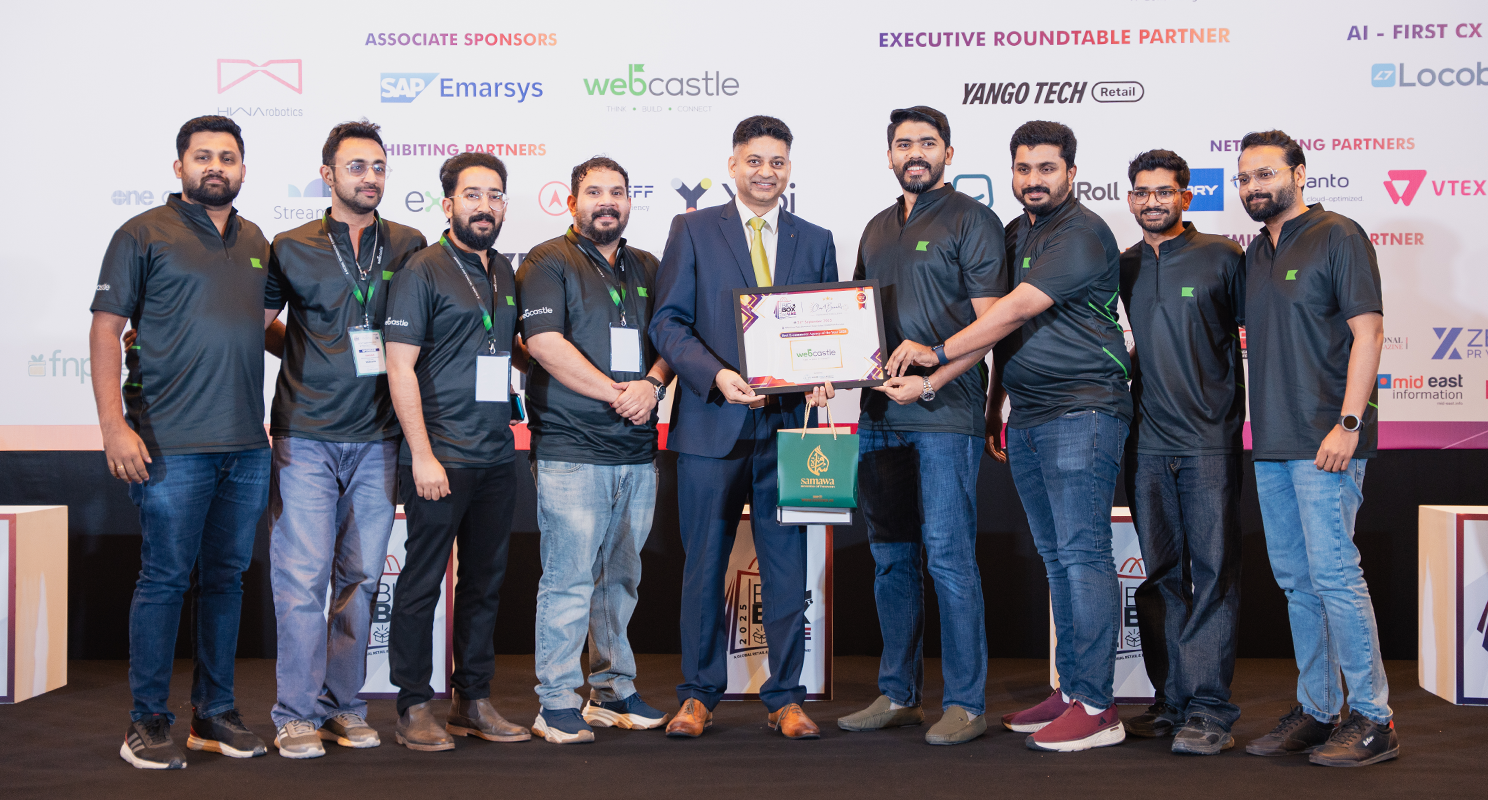
WebCastle Technologies, one of the top web development company in Dubai also provides native and cross-platform mobile application development services, along with UI/UX design, testing, and post-development support.
If you are comparing companies, you can discuss your requirements with the WebCastle mobile app team and understand which development approach may be suitable for your product.
Choose a Company That Can Challenge Your Plan
The best development partner is not necessarily the company with the biggest portfolio or the lowest quote.
Look for a team that is willing to question your plan when necessary, explain technical decisions clearly, identify risks early, and help you decide which features should be developed first.
A good partner should also think about what happens after launch. Android versions change, apps need updates, security issues can appear, and your business requirements may change as you learn more about your customers.
If you are planning to build an Android application for your business in the UAE, speak with WebCastle Technologies mobile app team about your requirements. The team can help you understand your development options and plan the technical requirements before development begins.