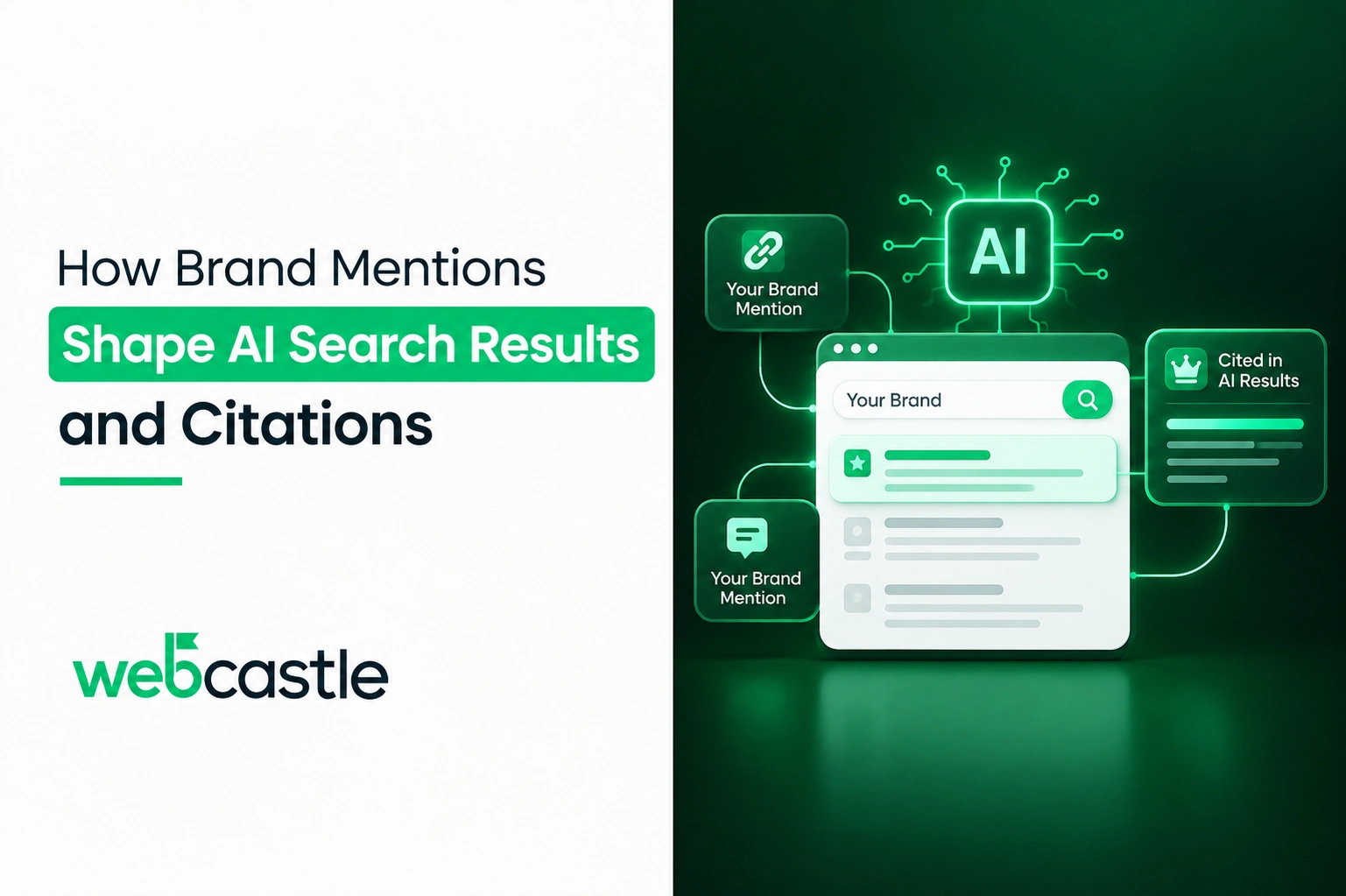




Your Dubai business can rank #1 on Google and still be invisible. Why? Because AI tools like Google’s SGE, Gemini, and ChatGPT now answer questions directly – without sending users to your site. Getting cited inside those AI answers is the new ranking. That’s Generative Engine Optimization (GEO). This blog shows you exactly which signals trigger Gemini citations and ChatGPT citations – and how to build them for a Dubai market.
Your Rankings Are Fine. Your Visibility Isn’t.
Here’s a scenario that’s playing out across Dubai right now.
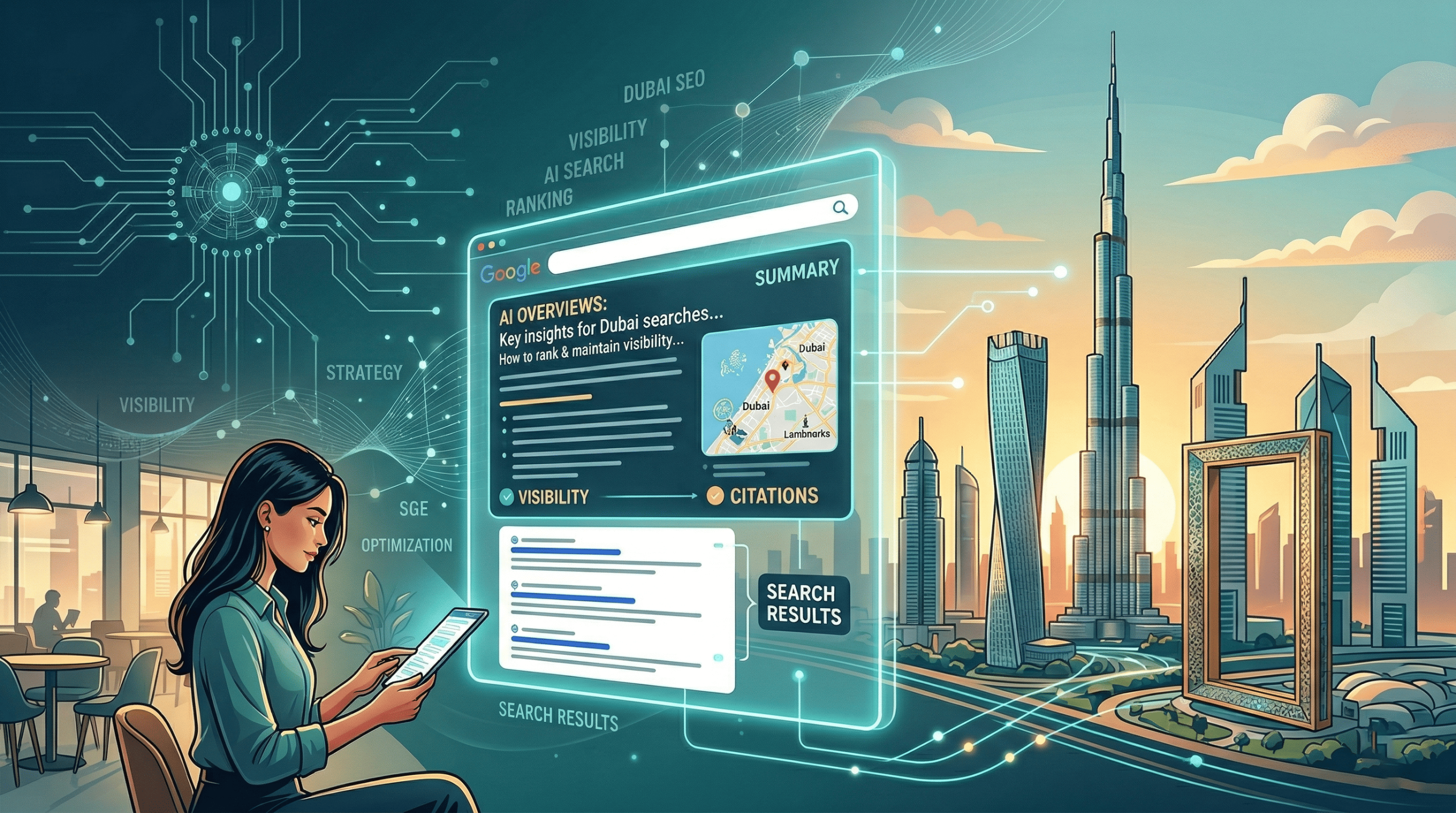
A potential client types “best fit-out company in Business Bay“ into Google. An AI Overview appears at the top. It names three companies, explains what they do, and answers the question completely. The user closes the tab.
Your website ranked #4. Nobody saw it.
This isn’t a traffic dip. It’s a structural shift in how search works. And it’s not coming – it’s already here.
The problem isn’t your SEO. The problem is that SEO was built for a world where users clicked links. That world is shrinking.
What Changed, and Why It Hits Dubai Harder
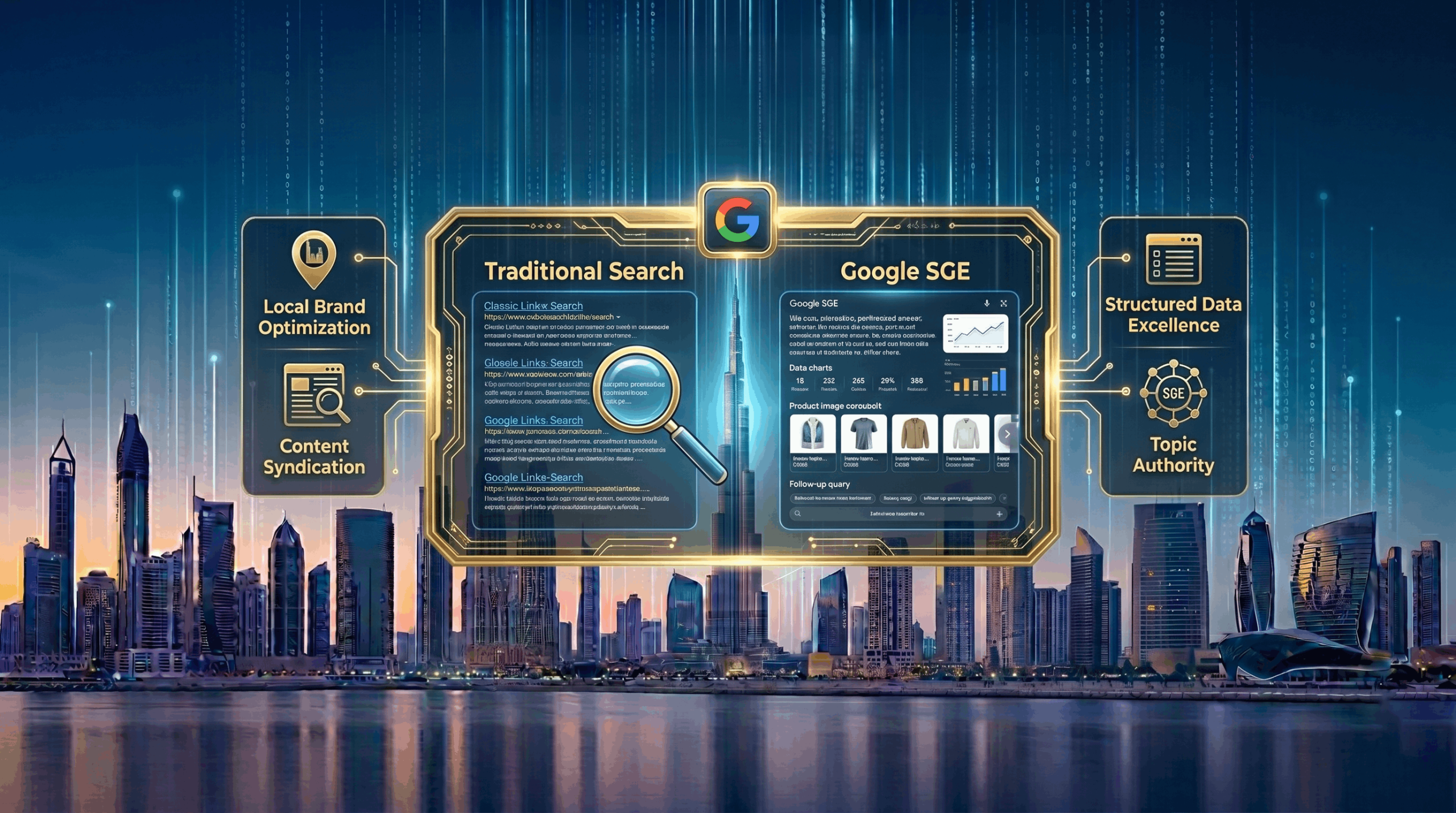
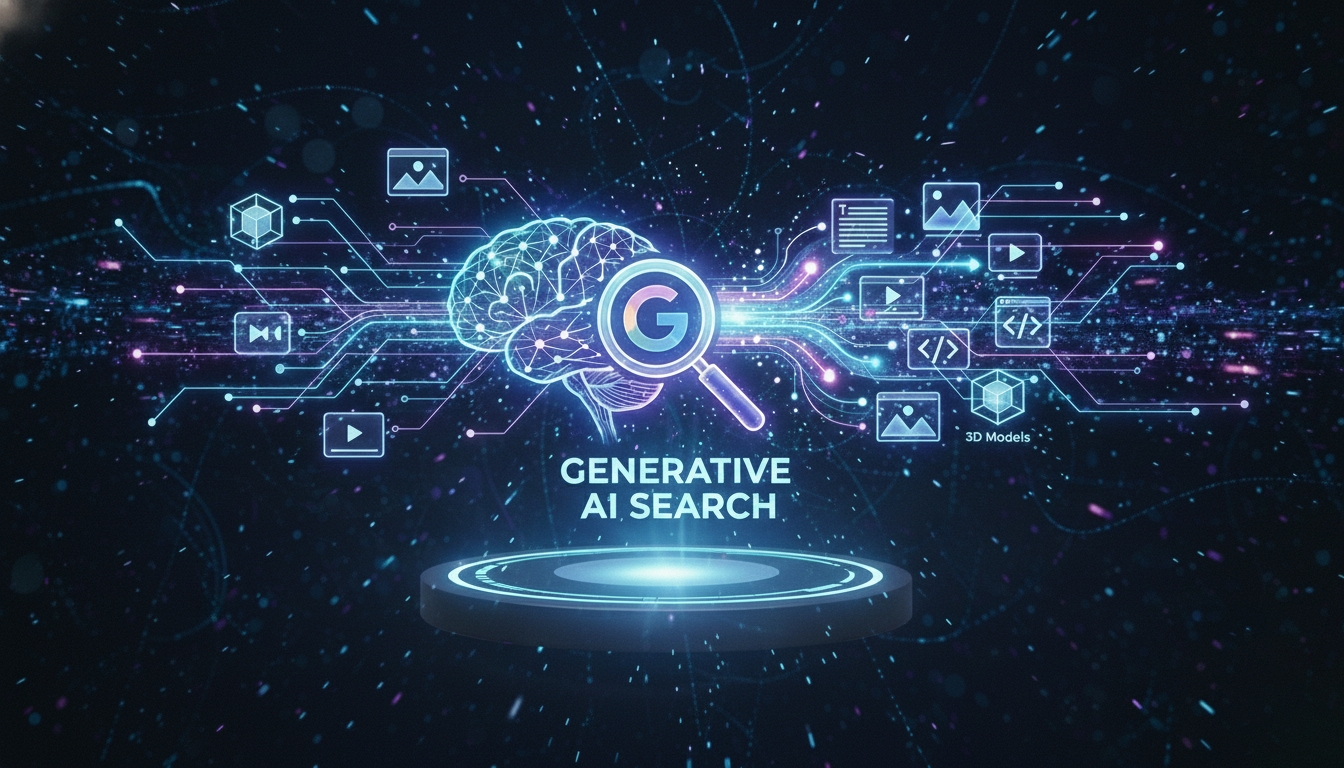
Google’s Search Generative Experience (SGE) now surfaces AI-generated summaries for a wide range of queries before any organic result appears. Gemini powers these summaries inside Google Search. ChatGPT handles millions of product and service queries daily. Perplexity is growing fast in the GCC.
Dubai-specific friction: this market is hyper-competitive. Real estate, legal, healthcare, hospitality – every category has dozens of well-funded businesses spending on SEO. In a zero-click environment, the old game of outbidding competitors on keywords gets you a ranking that fewer people ever reach.
The businesses appearing inside AI summaries right now didn’t buy their way in. They wrote content structured for machine extraction.
That’s the gap. And it’s fixable.
What Generative Engine Optimization Dubai Actually Requires
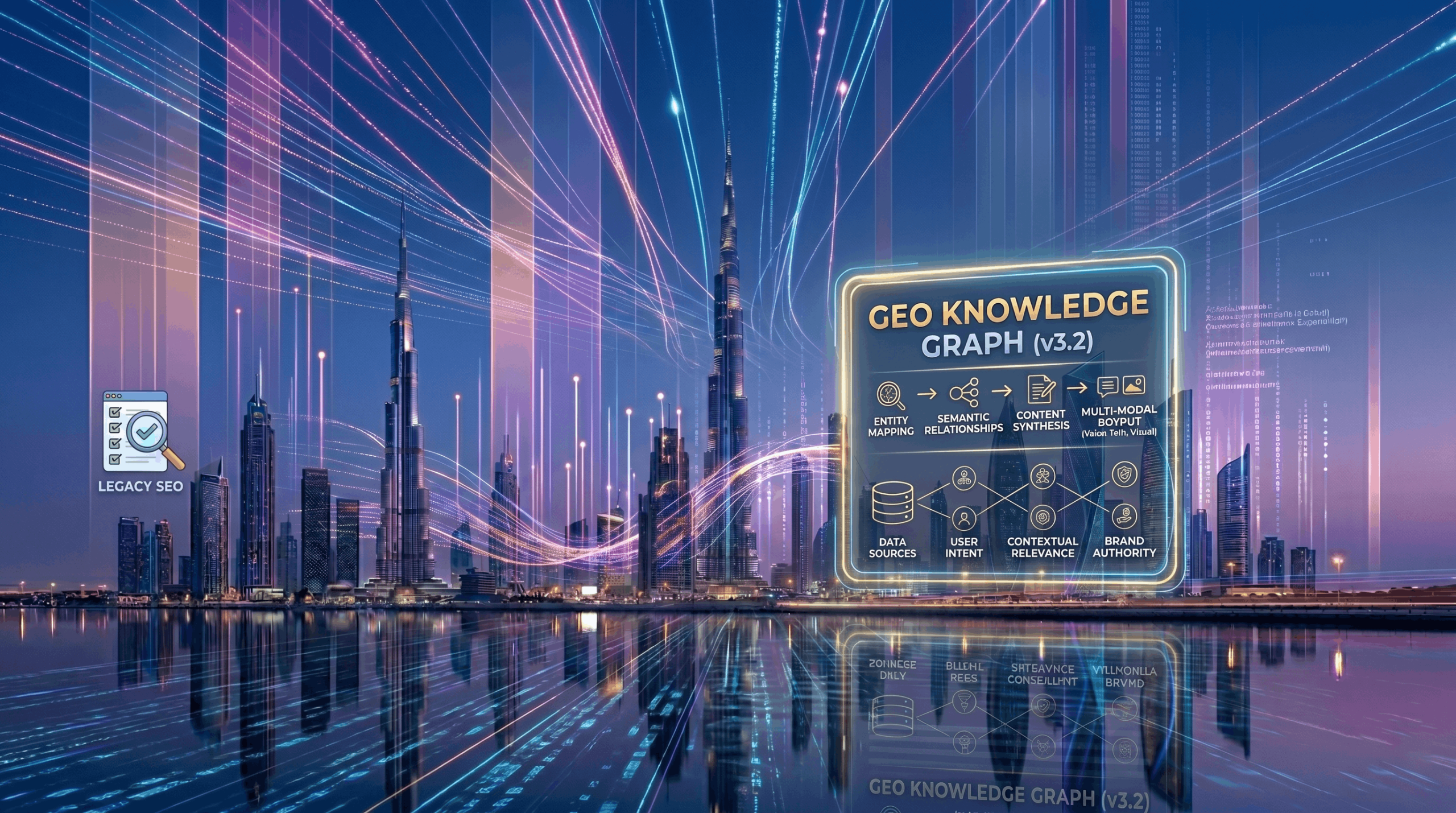
GEO – Generative Engine Optimization – is not a rebrand of SEO. It’s a different output goal.
SEO goal: appear in a list of links. GEO goal: be the source an AI quotes when it answers a question.
The mechanics are different, too. Here’s what actually triggers Gemini citations and ChatGPT citations based on how these systems retrieve content:
- Answer-first structure AI crawlers read the first 150–200 words of a page to decide if it’s worth citing. If your content opens with a company history or a keyword-stuffed intro, it gets skipped. Lead with the direct answer. Elaborate after.
- Factual density over word count AI models’ weight specificity. “We’ve helped hundreds of Dubai businesses grow” is invisible to a language model. “We reduced organic bounce rate by 34% for a JLT-based e-commerce client over 6 months” is citable. Numbers, locations, and outcomes trigger citation signals.
- Schema markup – not optional. Without structured data, AI systems can’t reliably categorize your content. A Dubai business without the LocalBusiness schema is essentially anonymous to Gemini’s location-based citation logic.
- Entity consistency across platforms. This is the one most Dubai businesses miss. Your Google Business Profile, website About page, LinkedIn description, and your third-party directory listings need to describe your business in consistent language. AI models cross-reference these sources. Inconsistent descriptions produce hedged citations – or no citation at all.
- Allow AI crawlers in your robots.txt. Check this today. GPTBot (OpenAI), ClaudeBot (Anthropic), and PerplexityBot are blocked on a significant number of UAE business sites – often because a developer added blanket bot restrictions years ago. If these crawlers can’t access your site, you cannot appear in ChatGPT or Perplexity answers. Full stop.
The SGE Citation Slot Problem
Google’s AI Overviews typically cite 3–6 sources per answer. That’s it. For any given query, you’re competing with every indexed page on the topic for roughly 4 available slots.
Here’s the counterintuitive part: a single well-structured 800-word page built for GEO can outperform a competitor’s entire 40-page content archive if their content isn’t structured for extraction.
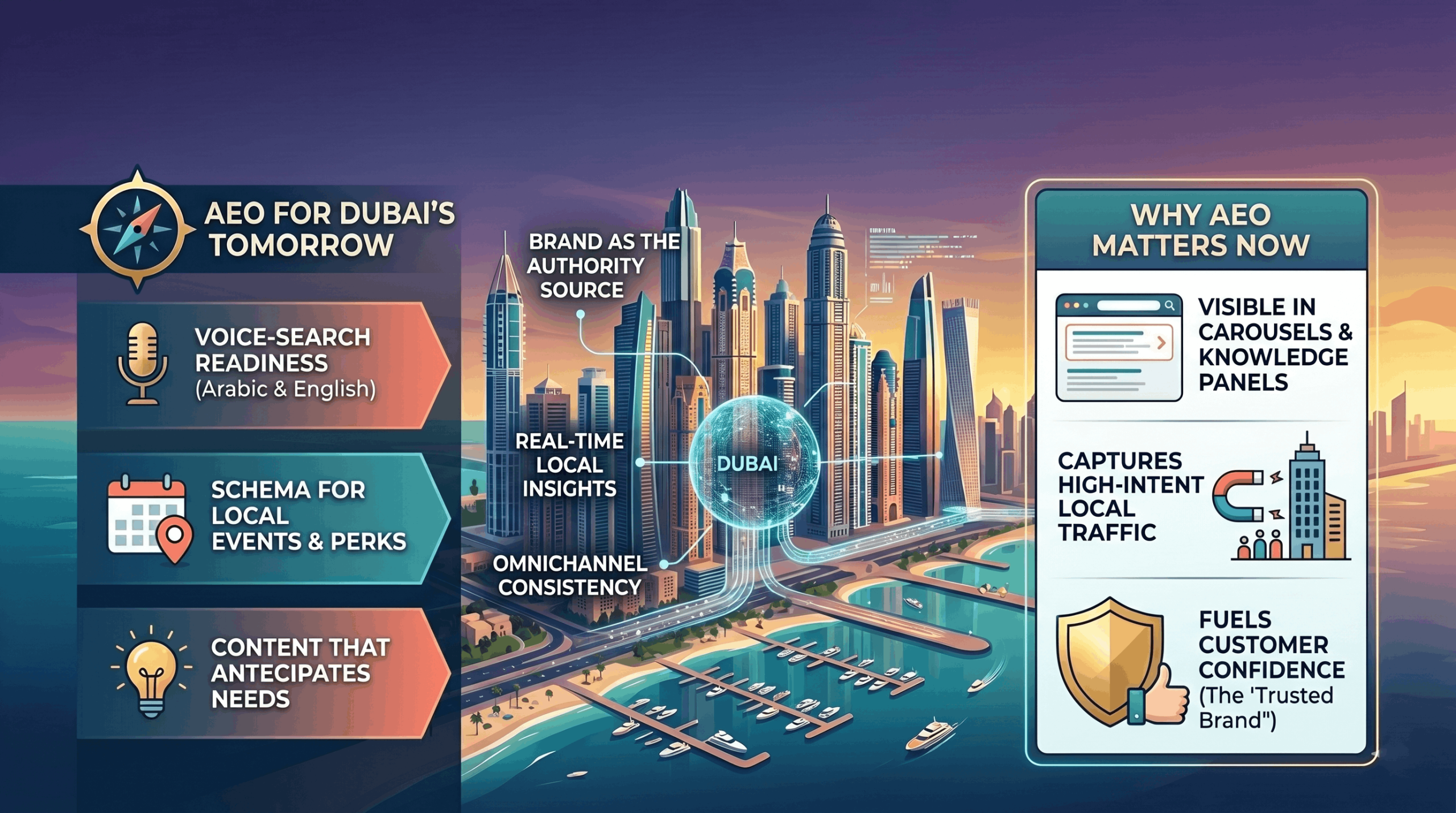
Answer Engine Optimization (AEO) used to be the term for this. AEO has effectively been absorbed into GEO – the distinction collapsed as AI search matured. What matters now is whether your content answers a specific question precisely, in a format a language model can extract and attribute.
The Window Is Open. Not for Long.
GEO is where SEO was in 2012. Early adopters are building citation authority right now that will compound over the next two years. Brands that delay will face the same problem they faced when they ignored mobile optimization or Core Web Vitals – catching up costs more than moving first.
Dubai’s market moves fast. Your competitors are reading the same search industry reports you are.
WebCastle, a Top SEO Company in Dubai, has been building search-ready digital infrastructure for businesses since 2008. We don’t just design websites – we architect them to be found, cited, and trusted by both users and AI systems.
If you want a no-nonsense GEO audit of your current website – what’s blocking your citations, what’s working, and what to fix first – talk to the WebCastle team today.