


When someone asks an AI-powered search platform which agency to choose for a website redesign, the answer may include a short list of businesses along with links to supporting sources.
If your brand is not included, you may miss an opportunity to be part of that search conversation.
AI search is not limited to one platform. Google AI Overviews and AI Mode, ChatGPT Search, Microsoft Copilot, Perplexity, and other AI-powered search experiences can use information from the web to generate answers and provide links or citations to relevant sources.
This makes your brand’s presence across the wider web increasingly important. Your website is only one source of information about your business. Search systems may also find information through business profiles, review platforms, industry publications, client websites, news coverage, and other relevant sources.
The way your business is described across these sources can affect how clearly search systems understand your company, services, expertise, and areas of relevance.
This article explains why brand mentions matter for AI search visibility, what makes those mentions more useful, and how businesses can build a clearer and more consistent online presence.
What Makes a Brand Visible in AI Search
Traditional SEO focuses heavily on visibility in search results. Ranking for relevant queries can help users discover your website and visit your pages.
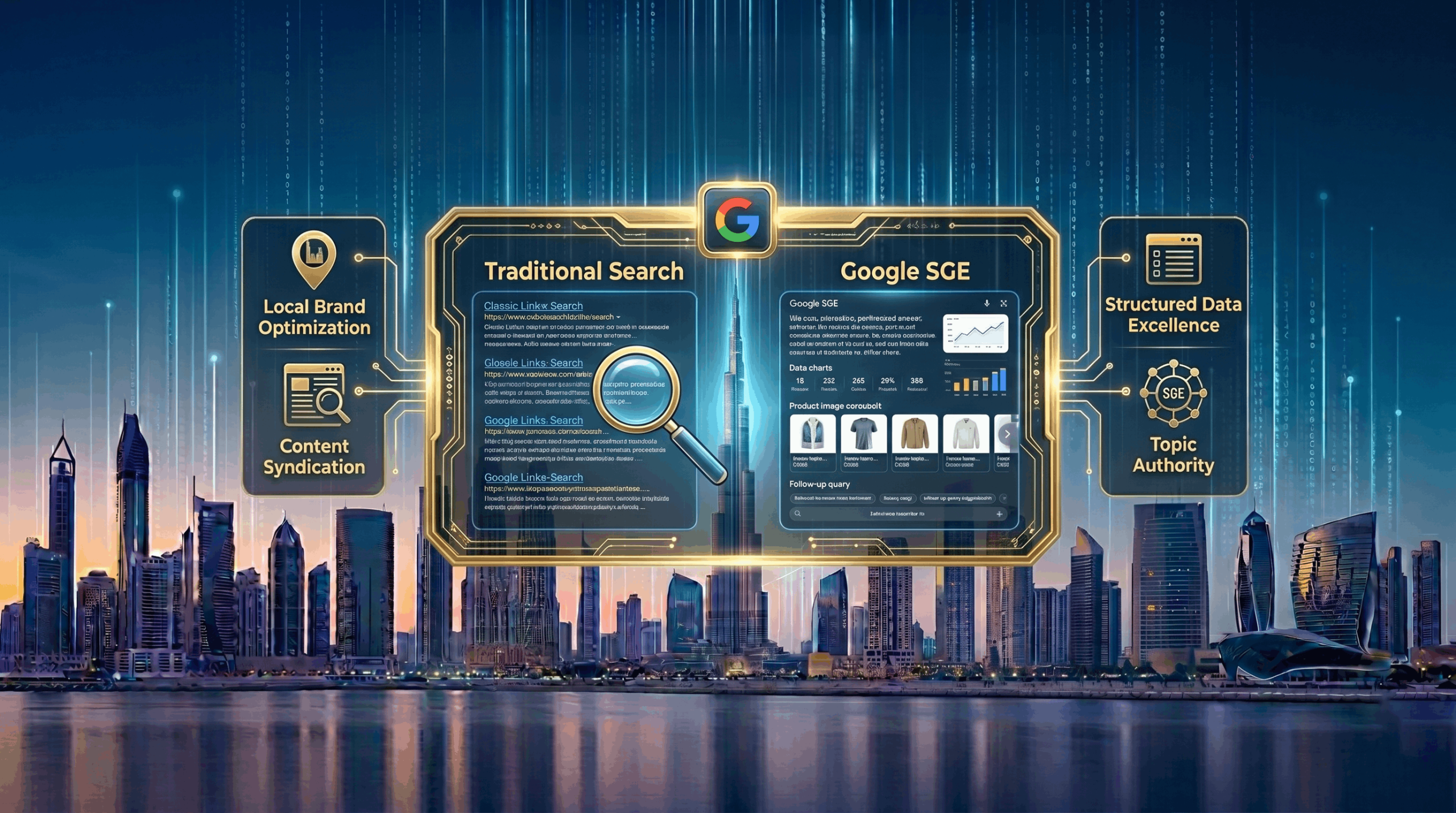
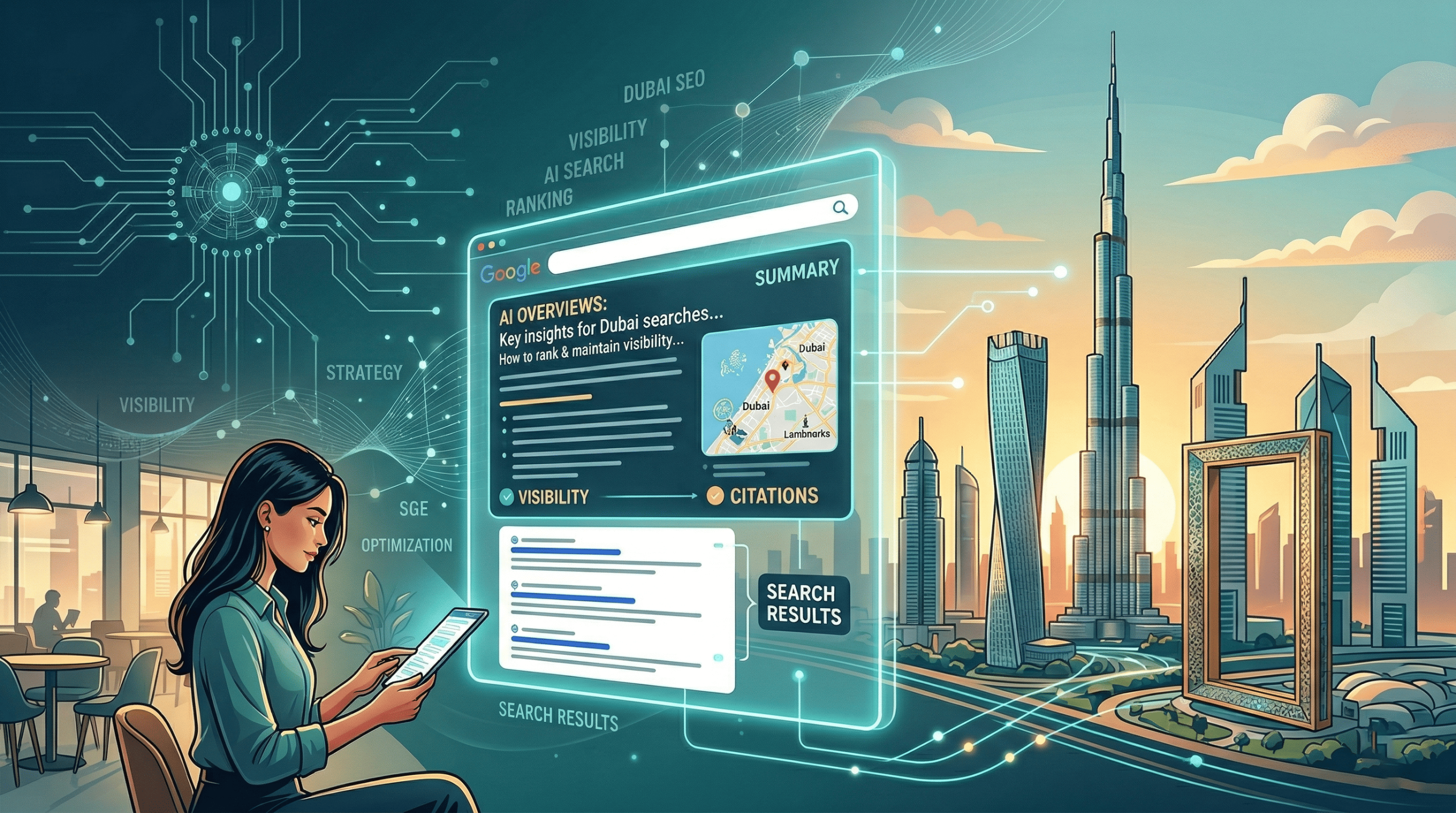
AI-powered search adds another layer. Instead of only presenting a list of links, these systems can combine information from different sources to generate a direct response. Google AI Mode, for example, can break a question into related searches and explore multiple sources before generating an answer. ChatGPT Search can also search the web and provide links to relevant sources.
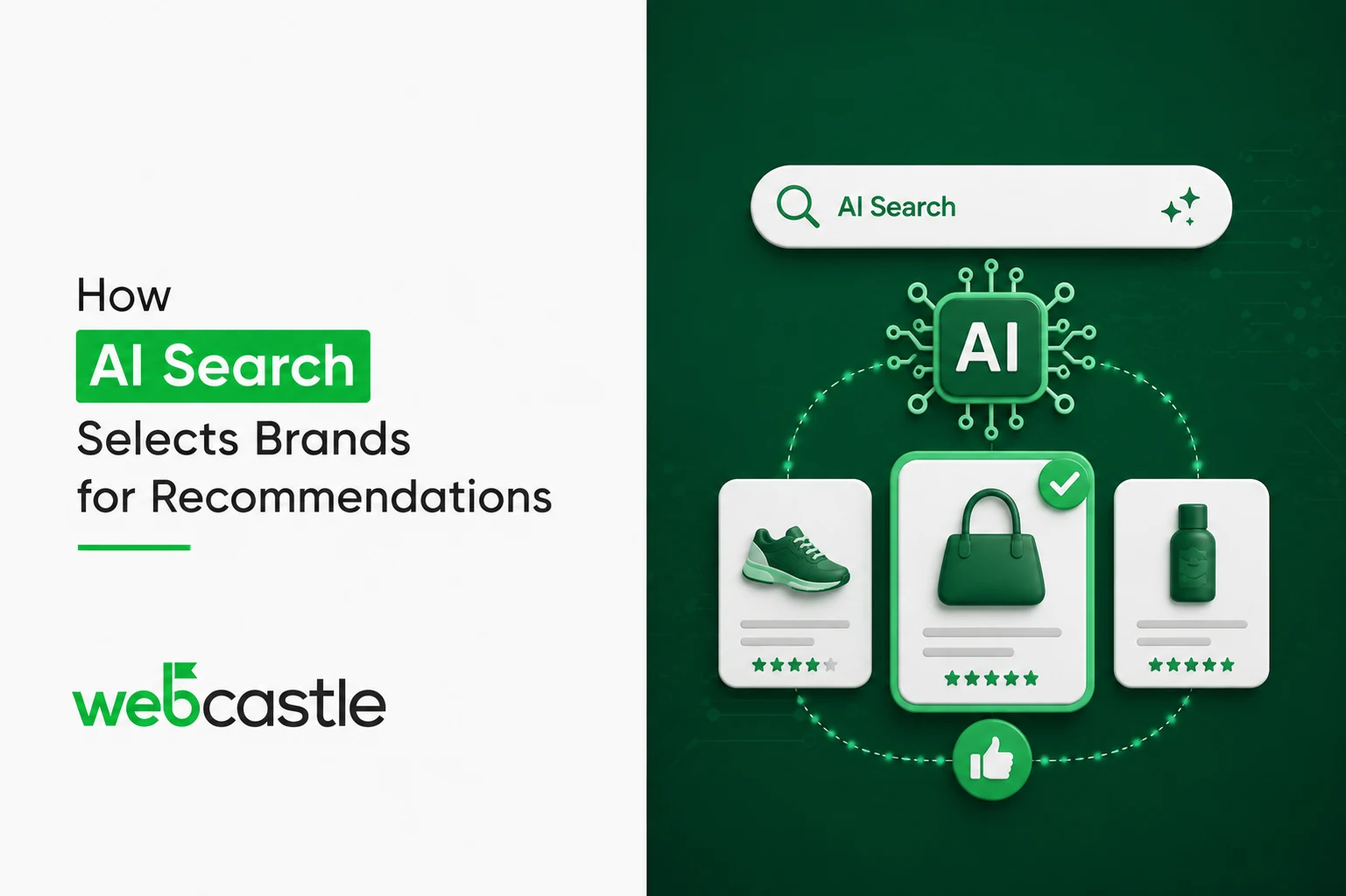
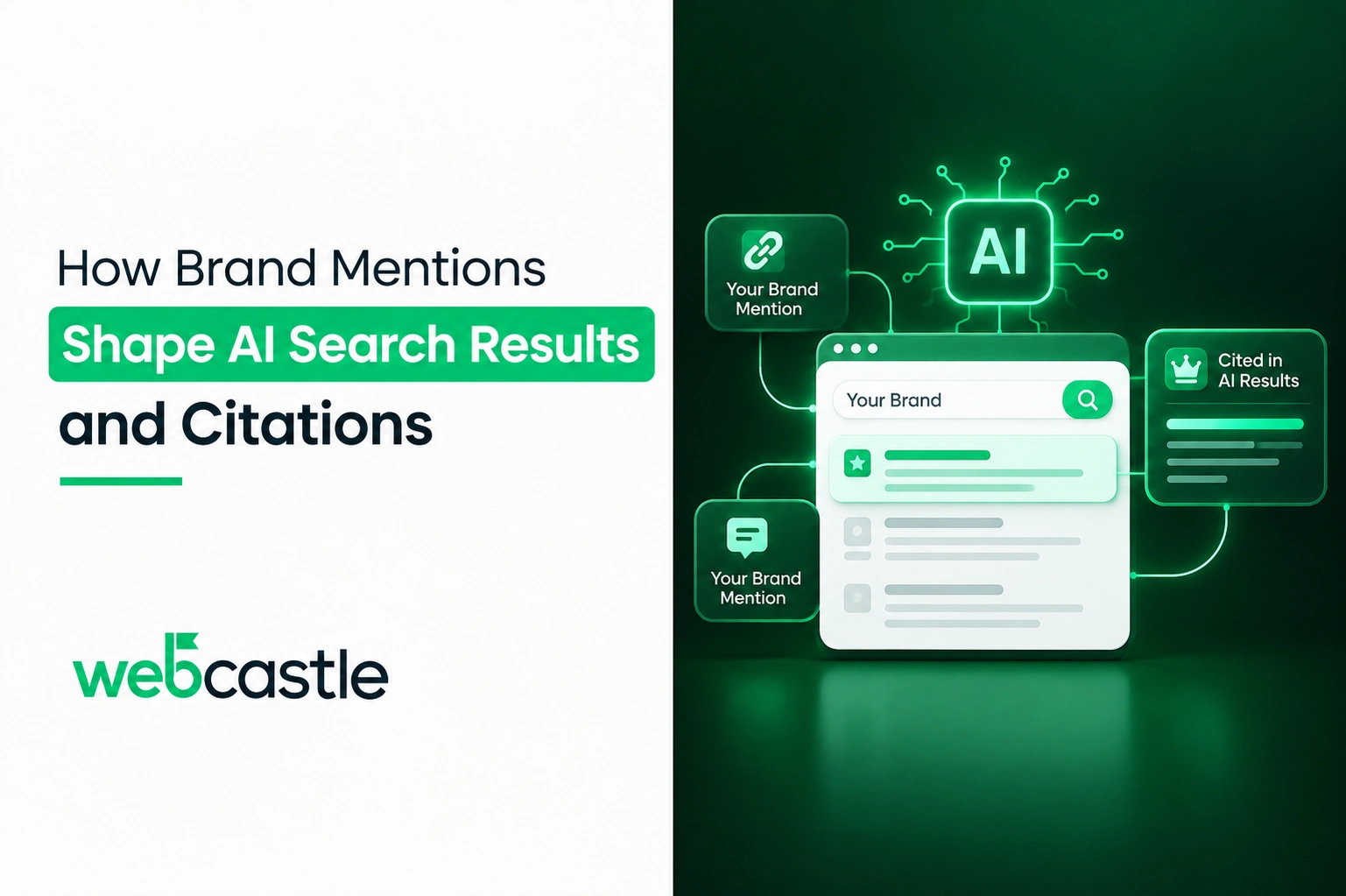
This creates an important difference between simply being visible and being considered for an AI-generated recommendation. How AI search selects brands for recommendations can depend on how consistently a business is represented across relevant sources, how clearly its expertise and services are understood, and whether reliable websites provide supporting information that AI systems can use and cite.
- Mentioned: Your brand appears somewhere online, but there may be little useful context about what the business does.
- Described: Relevant sources provide information that helps explain your business, services, products, expertise, or location.
- Cited: Your website or another source about your business appears in an AI-generated search response because it is relevant to the user’s query.
A strong organic ranking does not automatically mean that a page will appear in an AI-generated answer. The result can depend on the user’s query, the information retrieved, the sources available, and the search system being used.
What Makes a Brand Mention More Useful
AI search systems can use information from multiple web sources. This means it is useful to look beyond your own website and understand how your business is represented elsewhere.
Three areas are particularly important:
Consistency: If your website describes your company as a web design and development agency while important business profiles describe it differently, users and search systems may receive mixed information about what your company actually does.
Keeping your business name, services, locations, and areas of expertise accurate and consistent across important sources helps create a clearer picture of your brand.
Corroboration: Information that appears across several relevant and trustworthy sources can provide additional context about a business. A claim made only on your own website provides a different type of signal from information that is also supported by independent reviews, industry coverage, client references, or other credible sources.
This does not mean that repeating the same statement across many websites will automatically improve AI visibility. The quality, relevance, accuracy, and independence of the sources still matter.
Specificity: Generic descriptions such as “leading digital agency” provide limited information because many companies use similar language. More specific information about your services, industries, locations, expertise, projects, or documented results gives search systems and users clearer context.
For example, explaining that an agency works on eCommerce migrations, Shopify development, or enterprise web applications is more informative than simply describing it as a “full-service digital agency.”
Build a Clear Brand Presence Across the Web
This is not simply a content-writing exercise. It is about making accurate and useful information about your business easy to find across the channels where people may discover it.
Start with these steps:
- Audit existing brand mentions: Review business directories, review platforms, industry websites, publications, partner websites, and client references. Check how your company is described and whether the information is still accurate.
- Fix important inconsistencies: Make sure your business name, services, locations, contact information, and areas of expertise are represented accurately across important profiles and pages.
- Build useful third-party coverage: Case studies, industry articles, interviews, reviews, and legitimate business references can provide additional context about your expertise. Focus on specific information rather than generic promotional statements.
- Make your own content easy to understand: Use clear headings, direct answers, descriptive titles, and well-organized information. Make it easy for users and search systems to identify the main topic of each page.
Building this presence requires more than publishing content once. Business services, locations, expertise, and online profiles can change over time, so regular monitoring helps identify outdated or inconsistent information.
A digital marketing agency can support activities such as content development, online brand visibility, outreach, and reputation management as part of a wider digital strategy.
Brand Mentions Are One Part of AI Search Visibility
Brand mentions should not be treated as a replacement for traditional SEO.
Technical SEO, useful content, website accessibility, structured information, relevant backlinks, and genuine authority still matter. Google’s own documentation describes AI Mode as relying on its understanding of web information and relevant web content, while Microsoft Copilot uses web search results to ground responses and provide citations.
Brand visibility across the wider web is therefore better understood as one part of a broader search strategy, rather than a separate replacement for SEO.
There is also no single formula that guarantees a brand will be mentioned or cited by every AI search system. Different platforms use different technologies, sources, and retrieval processes, and results can change depending on the user’s query.
Also Read: How AI Search Is Changing the Way Websites Need to Be Built
Building a Stronger Brand Presence
If you are unsure how consistently your brand is represented across search results, business profiles, review platforms, and other third-party sources, start with an audit.
Review your existing brand mentions, identify important inconsistencies, check whether your key services and expertise are clearly described, and identify the sources that currently provide information about your business.
For businesses targeting AI-powered search, this can provide a useful starting point for improving how clearly the brand is represented across the web.
WebCastle Technologies, an SEO agency in Dubai, can help review your website, search visibility, content, and broader online presence to identify areas that may need improvement. This can support a broader strategy for maintaining a clear and consistent online presence across traditional and AI-powered search.