


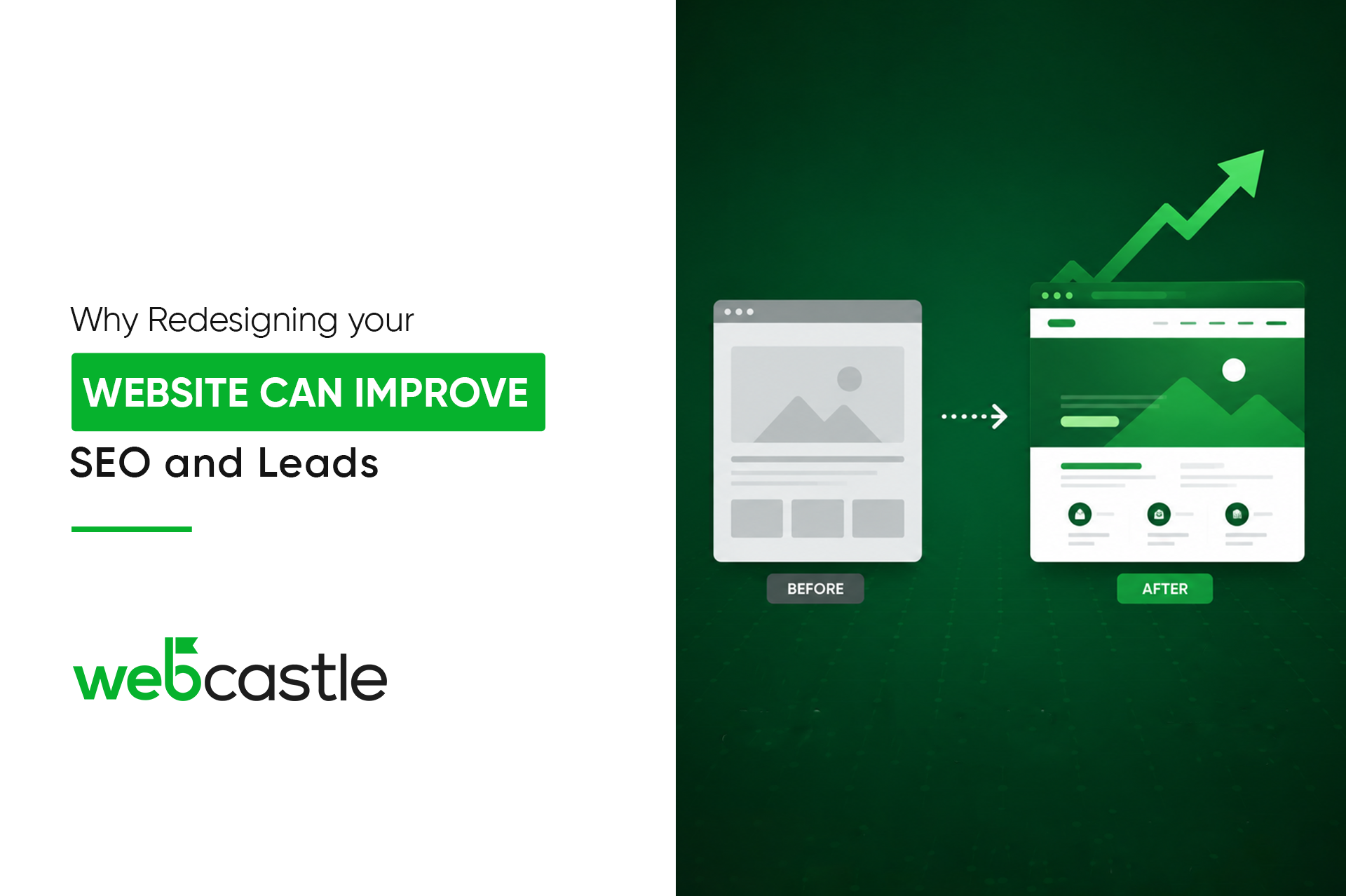
Your website is usually the first real interaction a potential customer has with your business. Before a phone call, before a proposal, before a sales conversation, there’s a homepage, a service page, or a contact form doing the work of a first impression. When that page loads slowly, looks dated, or makes it hard to find what someone came for, the cost isn’t just aesthetic. It’s lost visibility and lost leads.
Google’s Page Experience system uses Core Web Vitals (loading speed, responsiveness, and visual stability) as a real ranking signal, and a slow, clunky, non-mobile-friendly site tends to underperform on all three. The result is a familiar and frustrating pattern: steady traffic, but fewer inquiries, quotes, or bookings than the numbers should produce.
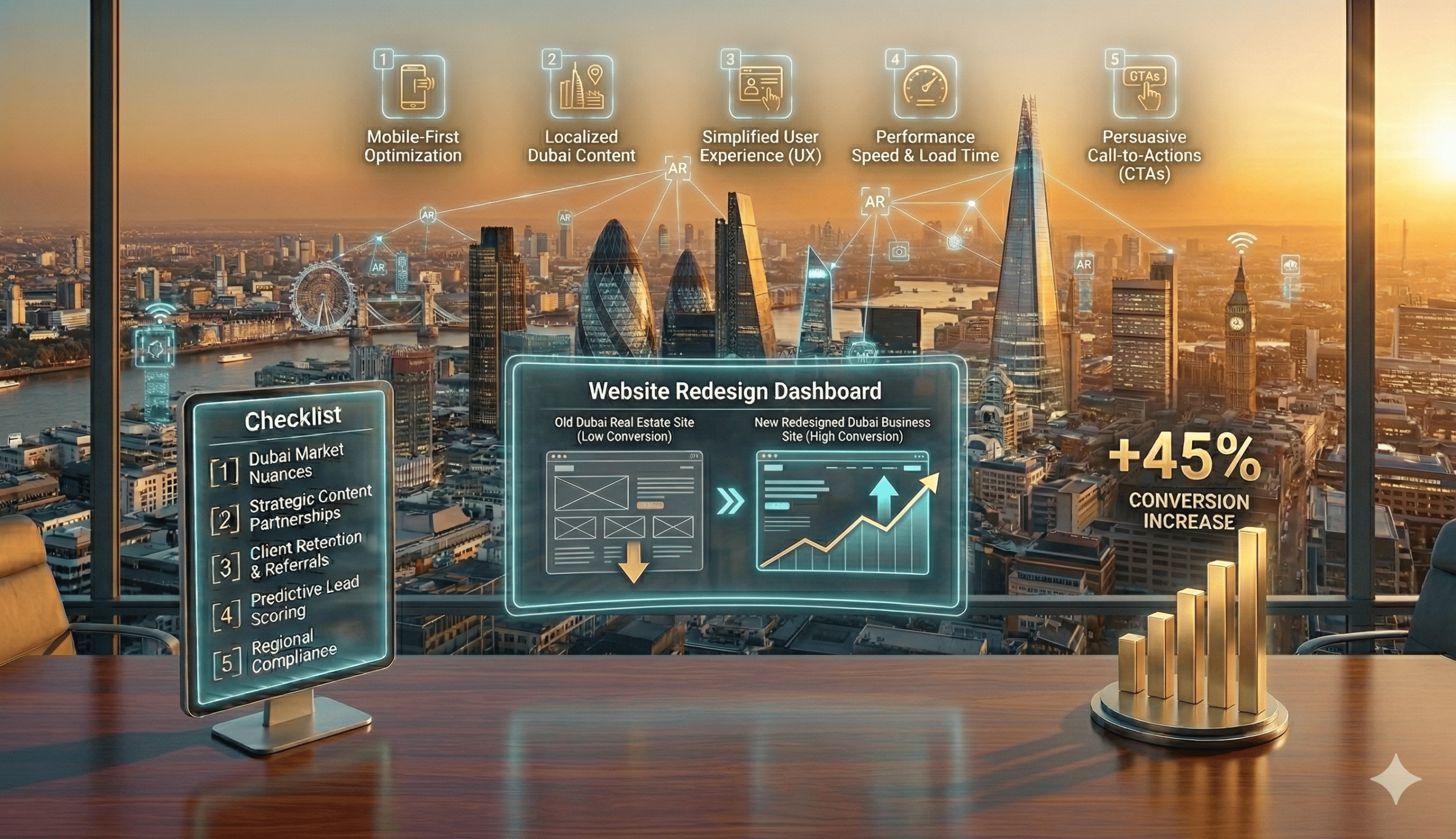
5 Clear Signs Your Website Needs a Redesign
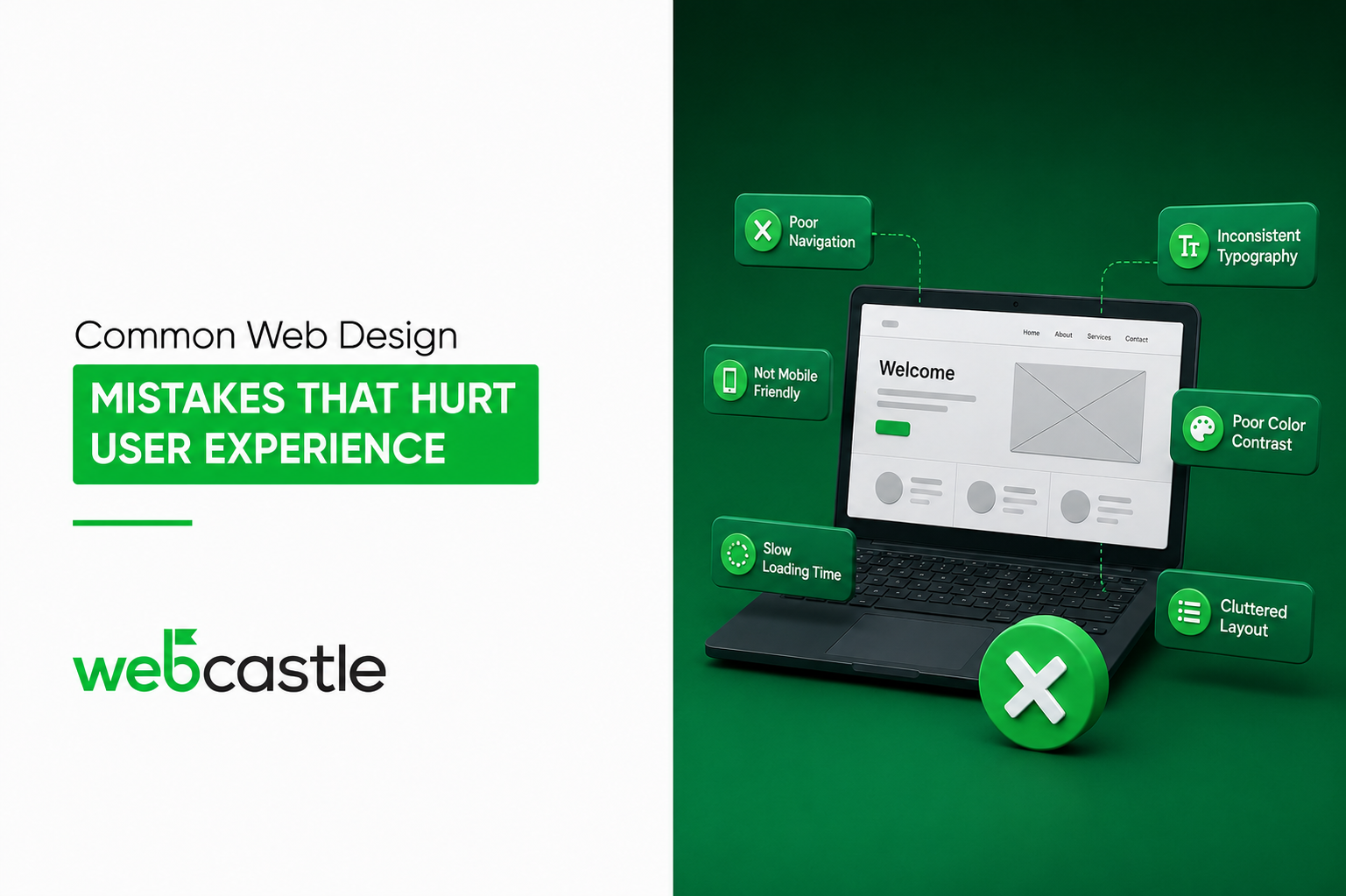
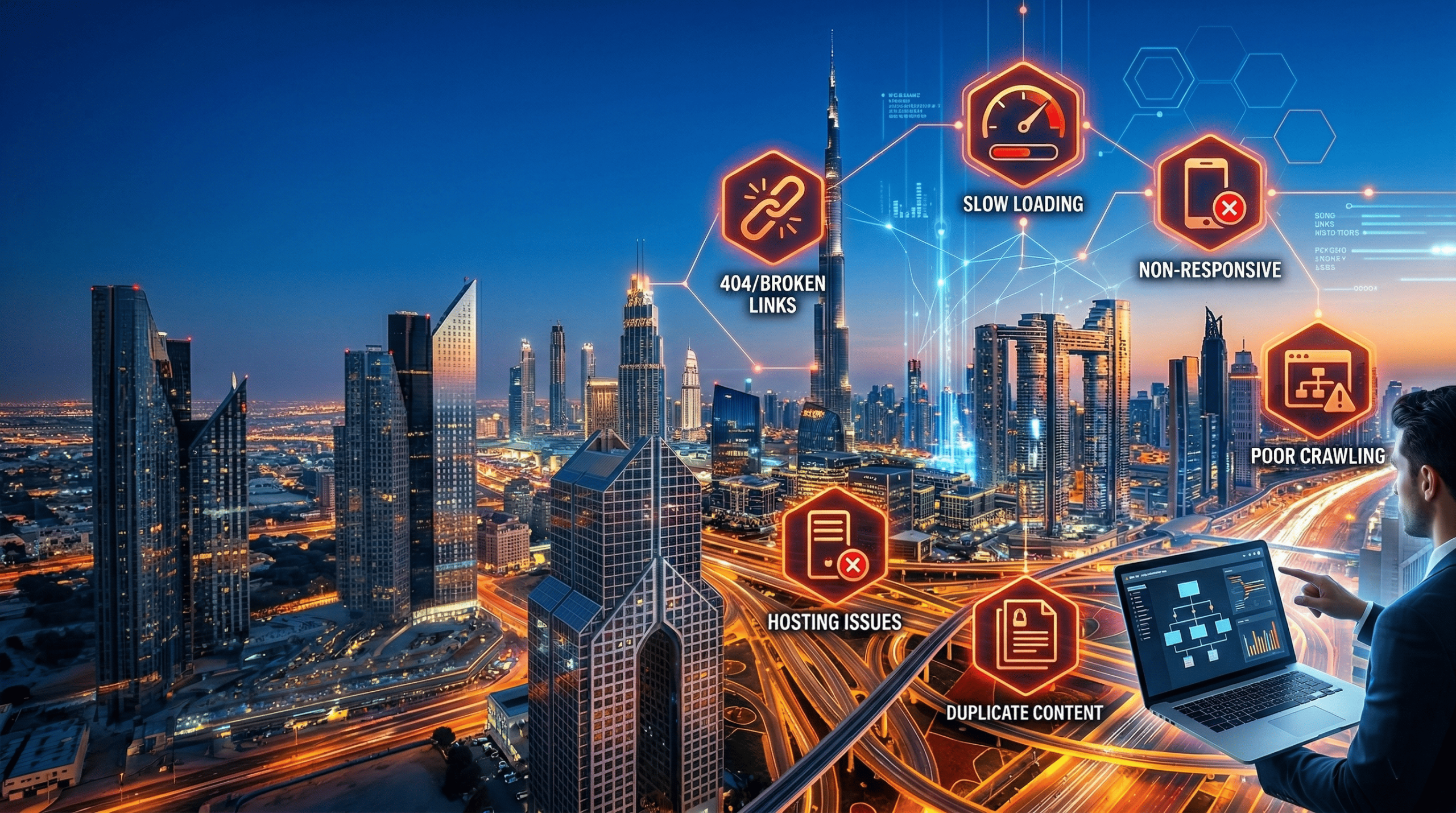
Slow loading speeds: If your homepage takes more than a couple of seconds to show its main content, visitors bounce before they see your value proposition, and Google notices too.
Poor mobile experience: Google ranks primarily on the mobile version of your site. If navigation is fiddly, text is too small, or buttons are hard to tap on a phone, your rankings and your leads both suffer.
Outdated design and content: A site that still reflects your business from three years ago signals to visitors — rightly or wrongly, that you might not be current either.
Low conversion rates: Steady traffic with few form fills, calls, or purchases usually points to friction somewhere in the experience, not a lack of interest.
Declining search visibility: If pages that used to rank are slipping, it’s often a sign that technical debt — bloated code, broken links, missing structure, has built up faster than the content has improved.
How a Website Redesign Improves SEO
1. Better website performance
A redesign is the natural point to fix what’s been slowing you down: compressing images, minifying code, upgrading hosting, and reducing reliance on heavy third-party scripts. The direct payoff is faster load times and stronger Core Web Vitals scores, Google’s benchmarks are Largest Contentful Paint under 2.5 seconds, Interaction to Next Paint under 200 milliseconds, and Cumulative Layout Shift under 0.1. These aren’t abstract technical targets; they correlate directly with how long visitors stay before giving up.
2. Mobile-first user experience
With the majority of UAE searches happening on smartphones, a responsive, mobile-first layout isn’t optional — it’s the baseline Google evaluates you against. A proper redesign means testing navigation, tap targets, and readability across devices, not just shrinking a desktop layout to fit a smaller screen.
3. Improved site structure
Search engines need to crawl and understand your site efficiently, and so do your visitors. A redesign is the opportunity to clean up navigation, fix broken internal links, and build a logical hierarchy between your homepage, service pages, and content — making it easier for both Googlebot and real people to find what they need. 4. Optimized content and on-page SEO Old content tends to carry old keyword assumptions, thin metadata, and messaging that no longer matches what your customers are actually searching for. Redesigns are a natural checkpoint to refresh copy, retarget keywords around current search intent, and tighten up titles, meta descriptions, and headers across the site.
How a Website Redesign Generates More Leads
Enhanced user experience: A cleaner, faster, more intuitive site simply keeps people around longer — and the longer someone stays, the more likely they are to take action.
Stronger calls-to-action: Redesigns are the right moment to rethink where and how CTAs appear, replacing vague “Learn more” buttons with clear next steps like “Get a free quote” or “Book a consultation.”
Increased trust and credibility: A modern, professional design signals legitimacy immediately — something particularly important in competitive UAE sectors like real estate, legal services, and finance, where trust is a prerequisite for the first inquiry.
Better conversion optimization: A redesign gives you the chance to rebuild forms, checkout flows, and contact points based on what actually converts, rather than what was convenient to build years ago.
Why UAE Businesses Should Prioritize Website Redesign
Digital competition in the UAE isn’t slowing down. With internet penetration near total and mobile use dominant, businesses are increasingly judged on the same three things: speed, trust, and convenience. A site that loads quickly, presents proof of credibility upfront, and makes contacting you effortless has a real edge over a competitor offering a similar service with a slower, clunkier site.
Local and mobile search optimization compound this further. With a large share of local searches carrying “near me” or location-specific intent, businesses whose sites aren’t optimized for mobile-first, locally relevant search are handing an easy advantage to competitors who are.
Transform Your Website Into a Lead-Generation Asset
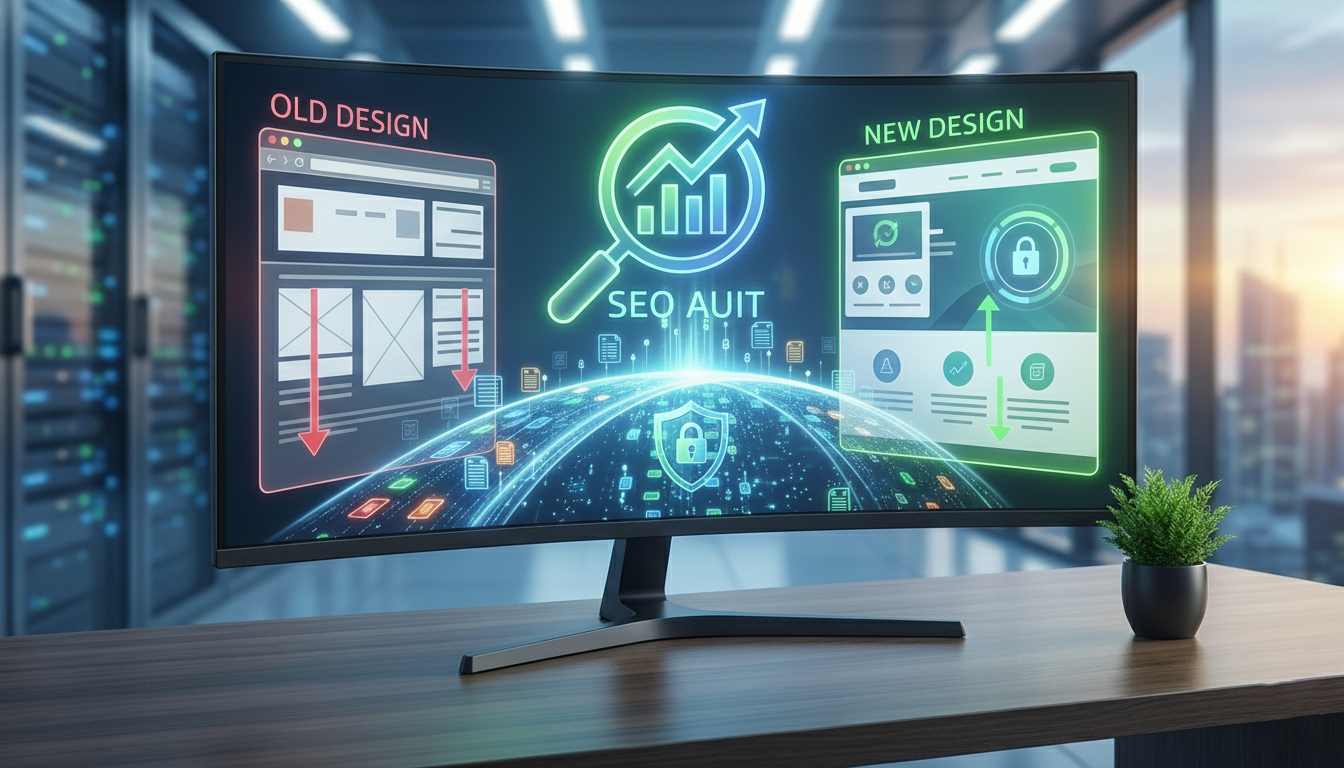
A redesign done well isn’t a cosmetic refresh, it’s an investment that can improve search visibility, user engagement, and lead generation while supporting long-term business growth. The businesses that treat their website as a working sales asset, rather than a static brochure, are the ones seeing the compounding benefit: better rankings feeding more traffic, and a better experience turning more of that traffic into actual leads.
Getting a redesign right takes more than a fresh coat of paint, it takes a partner who understands both design and the technical SEO foundations behind it. WebCastle Technologies, is one of the leading SEO agencies & web design companies in Dubai, builds fast, mobile-first, search-optimized websites that are built to convert. Working with the right agency in Dubai can be the difference. for more details call +971 564033522
FAQs
1. How often should a business redesign its website?
Most businesses benefit from a meaningful redesign every 2–3 years, though smaller updates, content refreshes, speed fixes, CTA testing, should happen continuously in between.
2. Can a website redesign improve a website’s visibility in AI and Google?
Yes. Clean site structure, fast performance, and well-optimized content help both traditional Google rankings and newer AI-driven search features, which favor sites that are fast, well-structured, and clearly written.
3. Will website design impact lead generation?
Directly, Design affects trust, clarity, and ease of action, all of which determine whether a visitor converts or leaves. A confusing or slow site loses leads regardless of how much traffic it attracts.
4. What should businesses focus on during a redesign?
Prioritize technical performance (speed and Core Web Vitals), mobile-first design, clear site structure, and updated, intent-matched content, in that order, since technical foundations determine how well everything else performs.