



The Server Room Problem Nobody Talks About
Talk to any business owner managing servers, and you’ll hear a similar story. The hardware cost was painful upfront. Maintenance never really stops. And the moment something breaks — usually at the worst possible time — the whole business feels it.
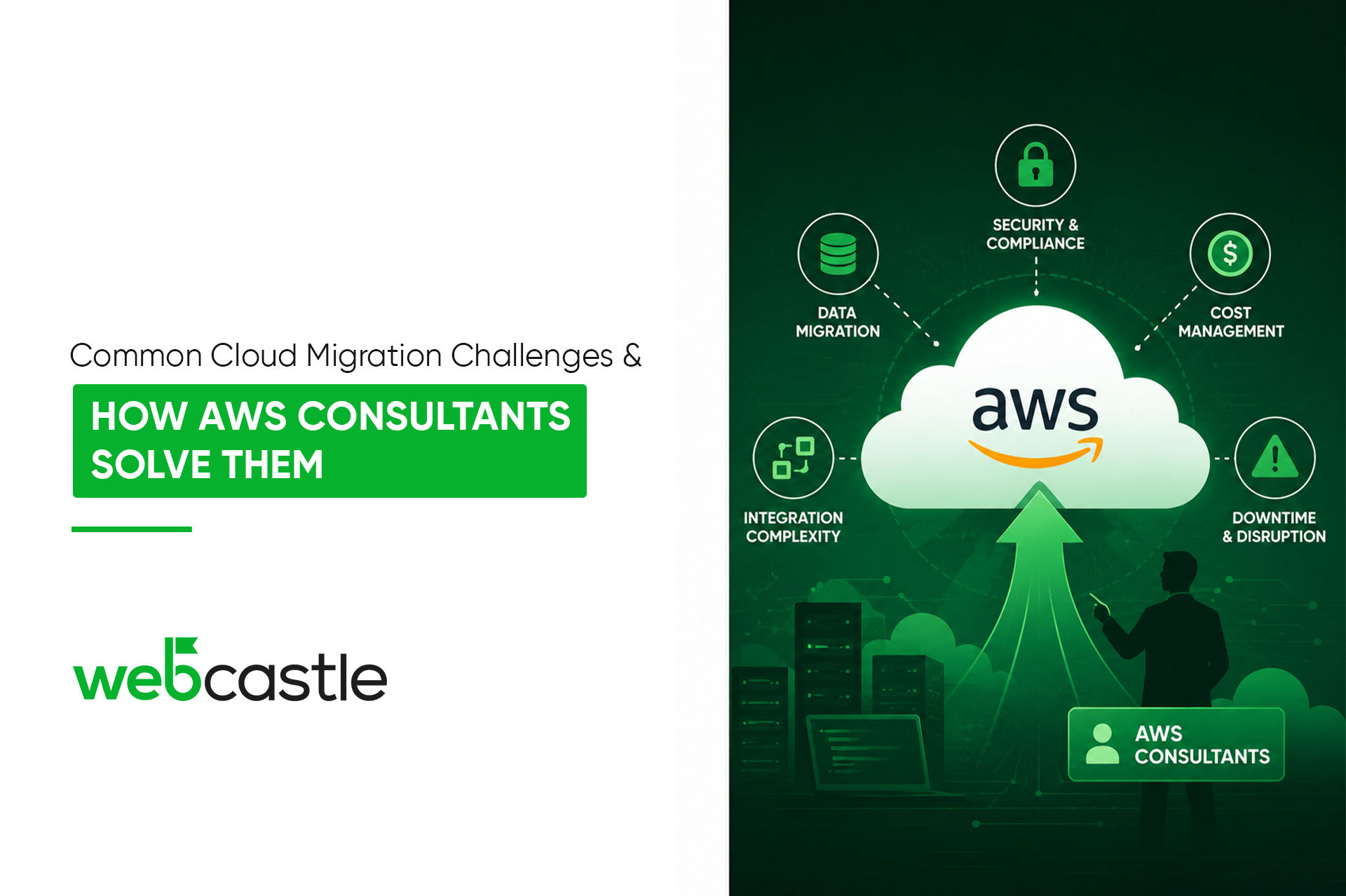
Dubai’s SMEs are moving away from this model—not for trends, but as part of digital transformation focused on lower costs and better scalability, with AWS Cloud Migration Dubai playing a key role.
According to AWS and industry research, cloud adoption continues to grow as businesses prioritise scalability, cost efficiency, and resilience.
With UAE Vision 2031 and Smart Dubai, digital infrastructure is now a priority. If competitors are on the cloud, the gap shows in speed, cost, and flexibility, while also improving business continuity and supporting long-term IT modernisation.
What Actually Improves After You Migrate
Four things change immediately and measurably:
Spending becomes easier to predict. Physical infrastructure is full of hidden costs — power, cooling, licences, support contracts, replacement cycles. Cloud billing is usage-based. Slow month? You spend less. Busy season? Resources scale up without a procurement process.
You stop waiting on hardware to grow. Traditional setup takes weeks; cloud servers take minutes. When demand spikes, your infrastructure scales easily.
Single points of failure disappear. One server failure used to mean downtime. Cloud setup avoids that—lower cost, fewer issues, easier scaling.
Why Most Dubai SMEs Choose AWS
Many AWS partners in Dubai support businesses with migration, compliance, and ongoing optimisation.
In 2022, AWS opened a dedicated region in the UAE. Before that, businesses here were routing through European or Asian data centres. Now data stays within UAE borders — which matters enormously for companies in regulated industries like healthcare, finance, and legal services.
It suits SMEs—flexible pricing, no upfront costs, and easy scaling. Cloud platforms offer high reliability with less downtime.
The local partner ecosystem matters too. Certified AWS partners in Dubai bring regional compliance knowledge alongside technical expertise. That combination is harder to find than it sounds.
Before Anything Moves: The Audit
Rushing into migration without a proper audit is how projects go over budget and over schedule. Spend time here — it pays off later.
List every application the business runs on. Separate the ones that move easily from those that need modification or replacement. Older systems and anything tightly integrated with specific hardware tend to need extra planning.
Quantify your data. Volume determines which storage services you need and what migration will cost. It also forces a useful cleanup — most businesses discover they’ve been storing data they no longer use.
Flag the workloads that cannot go down. Payroll, customer records, order systems — these require a different migration approach than internal tools. Plan them separately.
Know your regulatory position. Dubai businesses in healthcare, finance, and legal sectors have specific data residency and handling requirements. These need to be mapped to your cloud architecture before you build anything, not after.
Assess your internal team honestly. Cloud migrations can fail when skills are lacking. If your team is new to AWS, get expert help from the start.
Picking the Right AWS Services
Most Dubai SMEs end up using some combination of these:
- EC2 — Cloud-based virtual servers. The straightforward replacement for physical machines.
- S3 — Object storage for documents, media, and backups. Cost-effective and scales automatically.
- RDS — Managed databases. AWS handles patching and maintenance, which frees up significant IT time.
- Lambda — Serverless compute for automation and lightweight application tasks.
- CloudFront — Speeds up websites and apps for users across the GCC through distributed delivery.
- IAM — Controls who accesses what within your cloud environment. Security baseline, not optional.
The combination that works depends entirely on your workloads. Over-provisioning wastes money. Under-provisioning causes performance problems. Getting this scoped correctly upfront — ideally with an experienced partner — is worth the time.
How to Approach the Migration Itself
AWS describes six ways to handle each workload:
Rehost moves everything as-is. Fast, low-risk, and gets you onto the cloud quickly — though you won’t yet benefit from cloud-native capabilities.
Replatform makes targeted improvements during the move. Switching to a managed database service instead of self-managing one is a common example. Small change, real operational benefit.
Repurchase replaces an existing tool with a cloud-based SaaS product. Often used for CRM or ERP systems where a modern alternative exists.
Refactor means rebuilding for the cloud from scratch. It takes more time and cost, but works best for critical or high-performance apps.
Retire shuts down systems that are no longer needed. Often skipped, but it cuts costs and reduces complexity immediately.
Retain leaves certain systems on-premise temporarily when they’re not yet ready to migrate.
For most SMEs, Rehost or Replatform is where to start. Get stable on the cloud first, then improve from there.
One detail that often gets left out of migration plans: a tested rollback procedure. If cutover goes wrong, you need a clear path back. Having that ready before you need it is the difference between a recoverable problem and a crisis.
Running the Migration in Phases
Start small—move a non-critical workload first, like a dev environment or internal tool. Your team learns the process with low risk.
For data transfer, AWS tools handle most of the work. They keep systems running while data moves, so downtime stays minimal.
Move applications one at a time, in order of priority. Test properly before each cutover. Brief your users on any changes they’ll encounter — surprises frustrate people and generate support tickets.
After cutover, monitor everything for 30 to 60 days using AWS CloudWatch. That window is when issues surface. Stay close to the metrics.
Then keep optimising. AWS Cost Explorer and Trusted Advisor identify where resources are oversized and where spend can be trimmed. Cloud costs drift upward when nobody is watching them — these tools help.
Finding the Right Partner
Migration decisions affect cost, performance, and flexibility long-term.
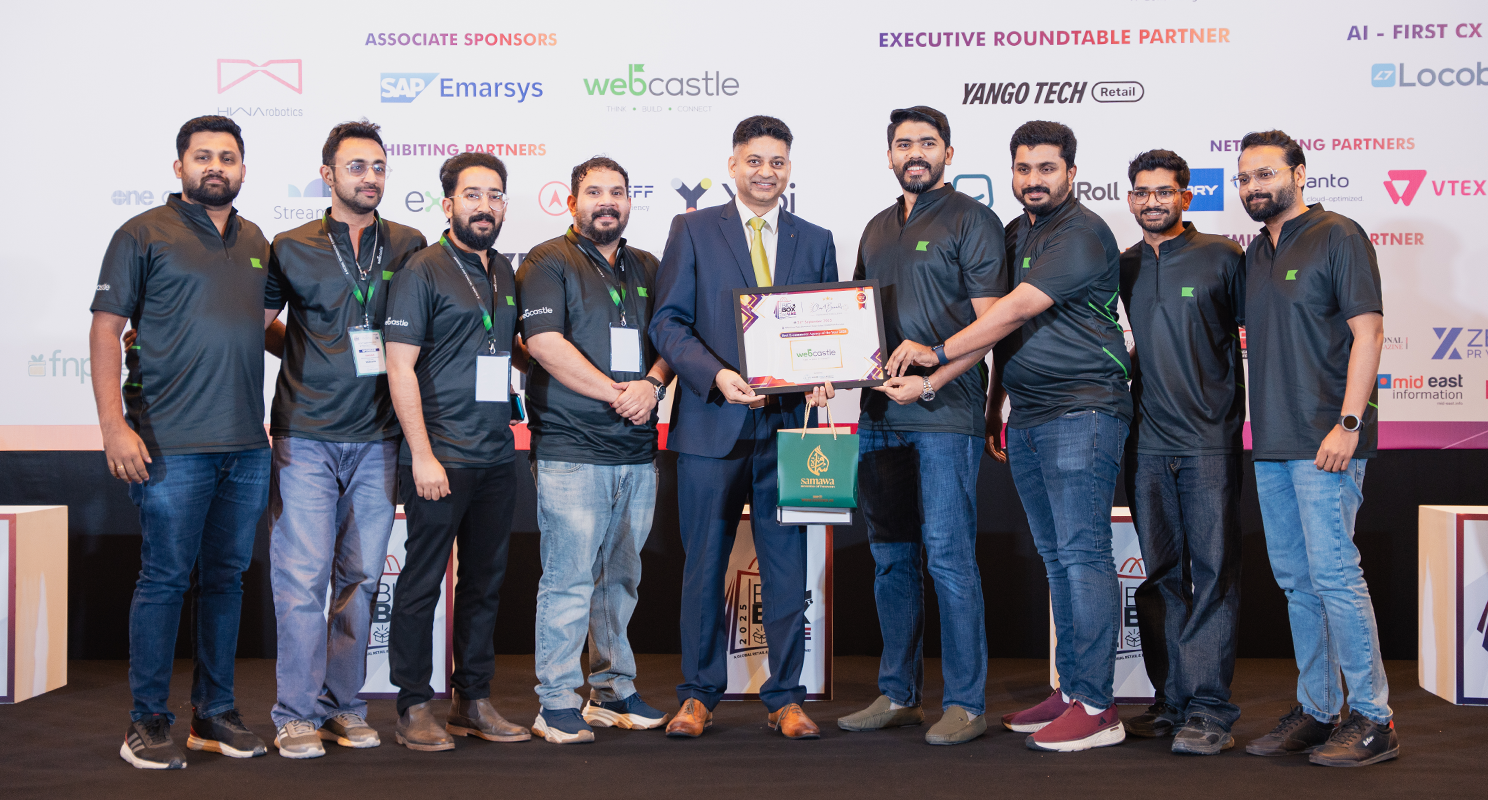
Webcastle is a web development agency in Dubai and a website designing company in Dubai helping SMEs with AWS Cloud Migration Dubai, cloud-ready development, and digital transformation. They bring both the technical background and regional knowledge that makes a difference when compliance and local market context are part of the equation.
Ready When You Are
The technology works. Local expertise is available. The main cost of waiting is that your competitors aren’t.
Talk to a team experienced in AWS Cloud Migration Dubai and the local market