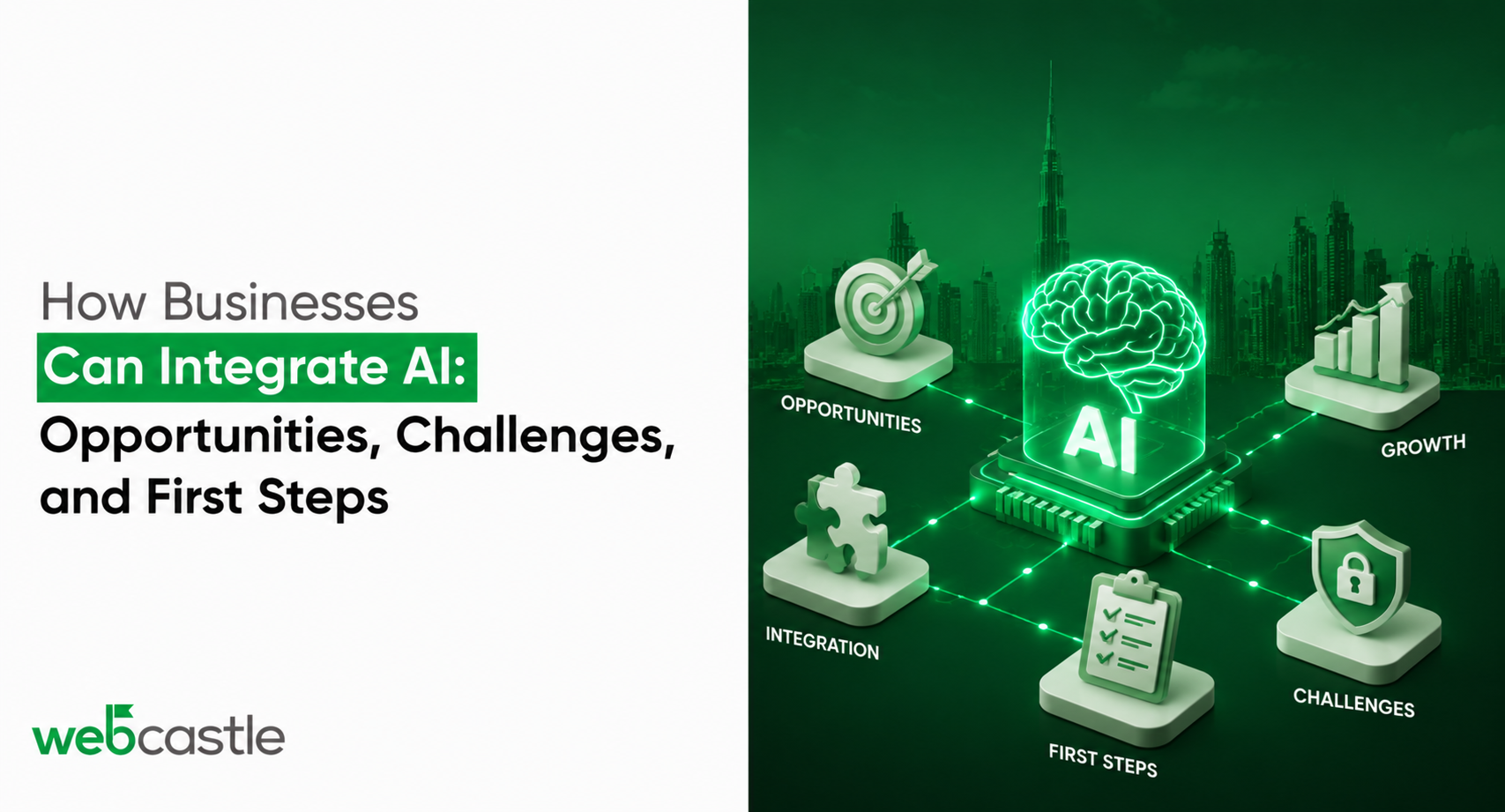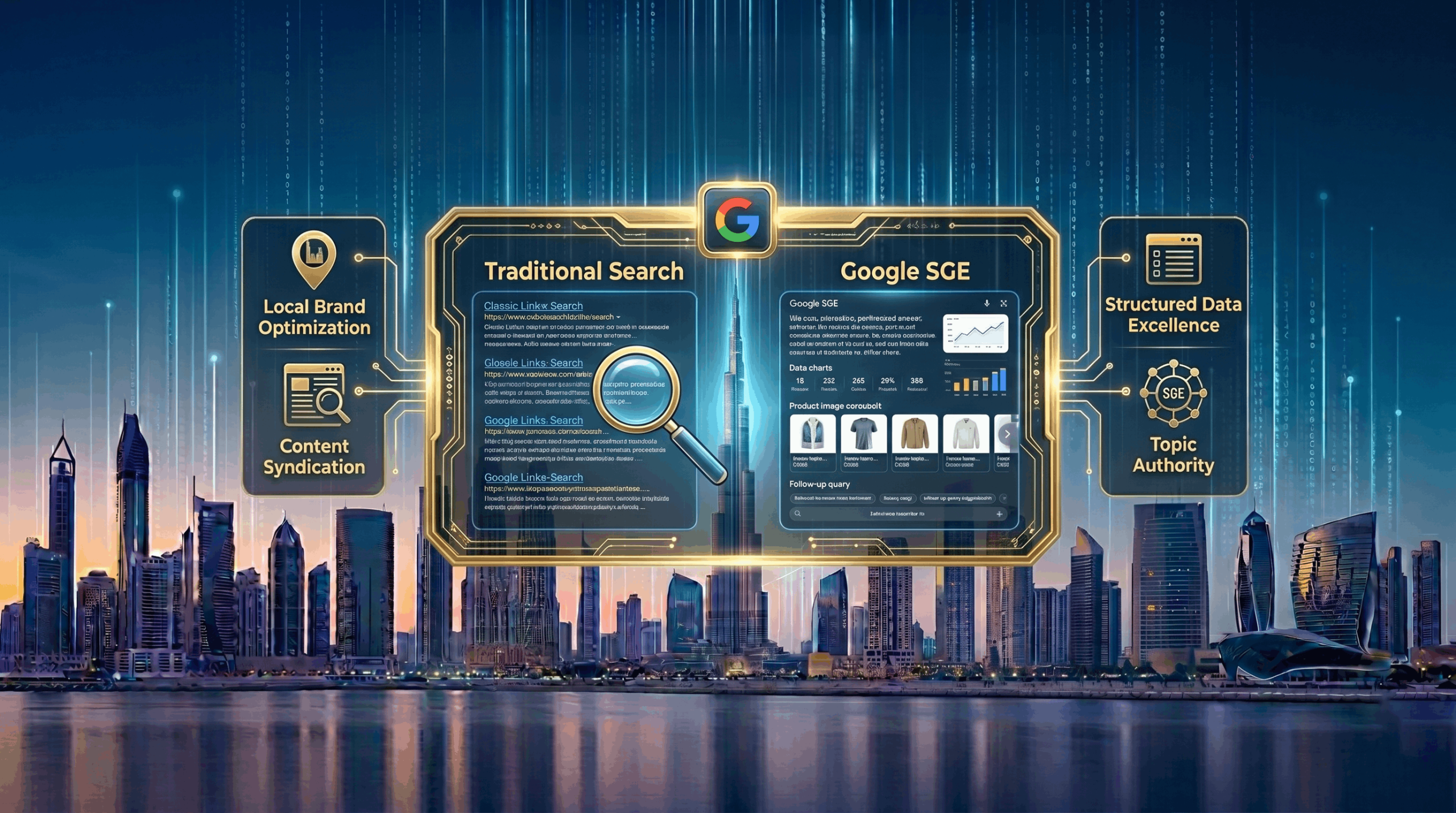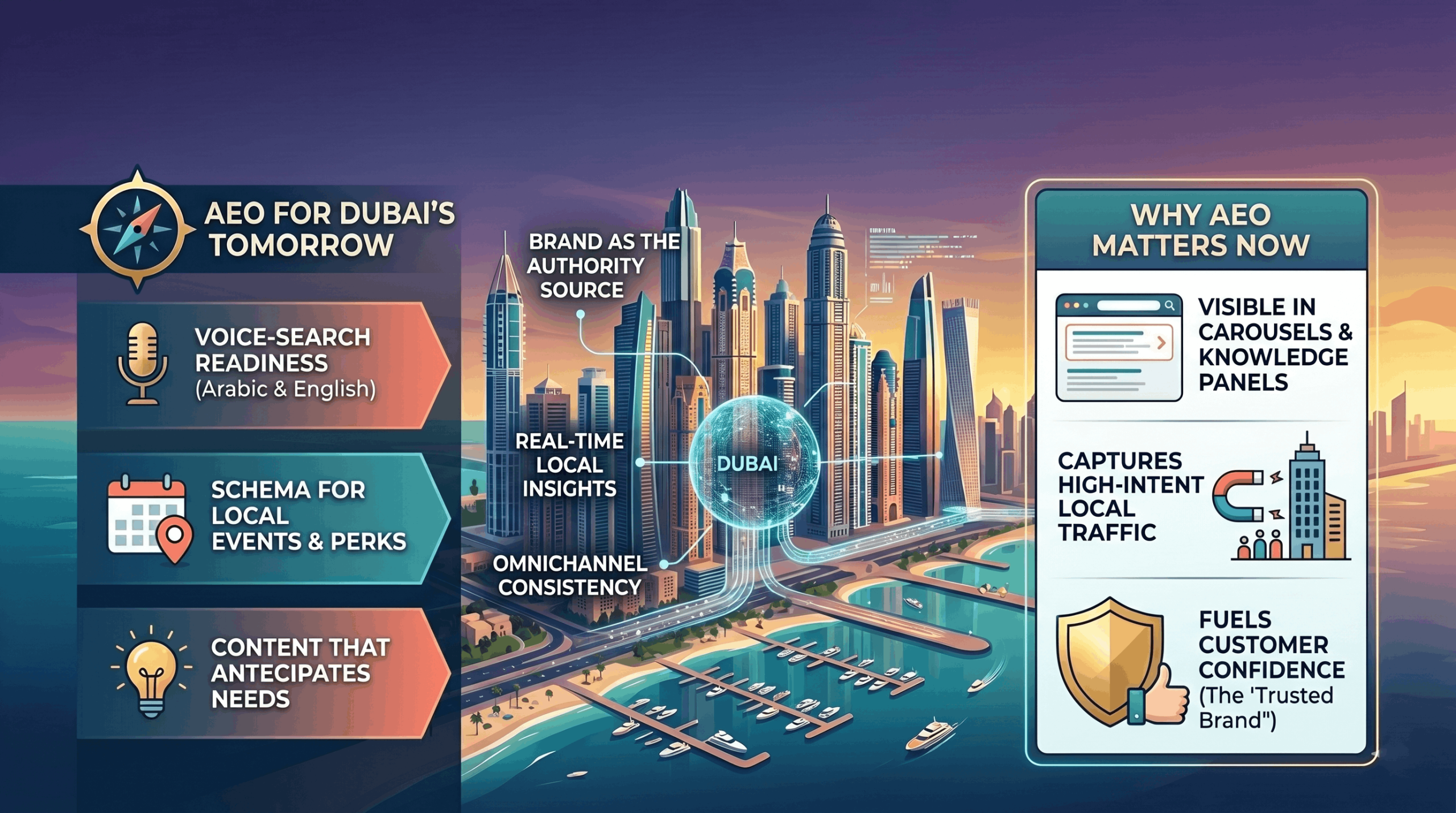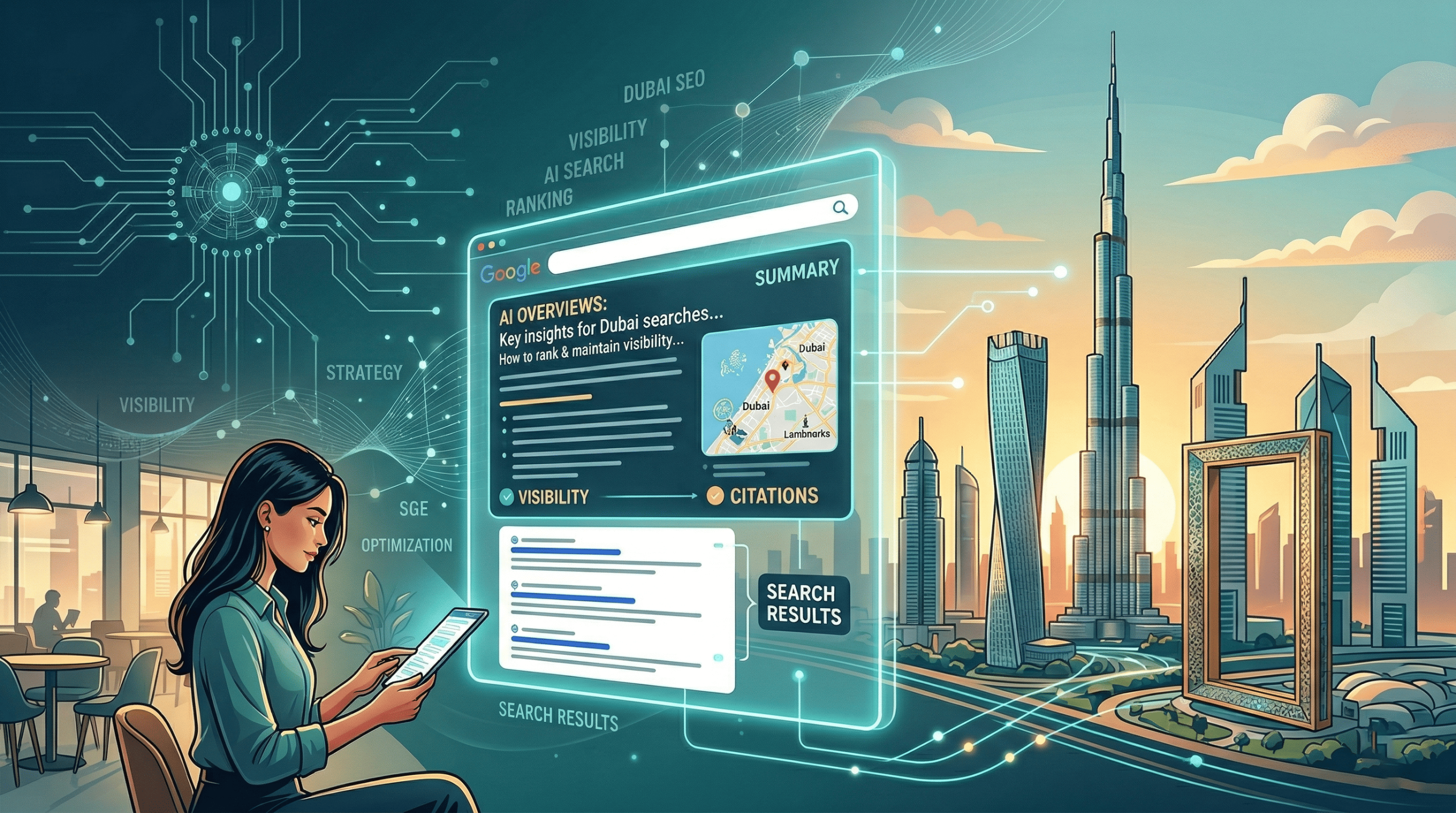



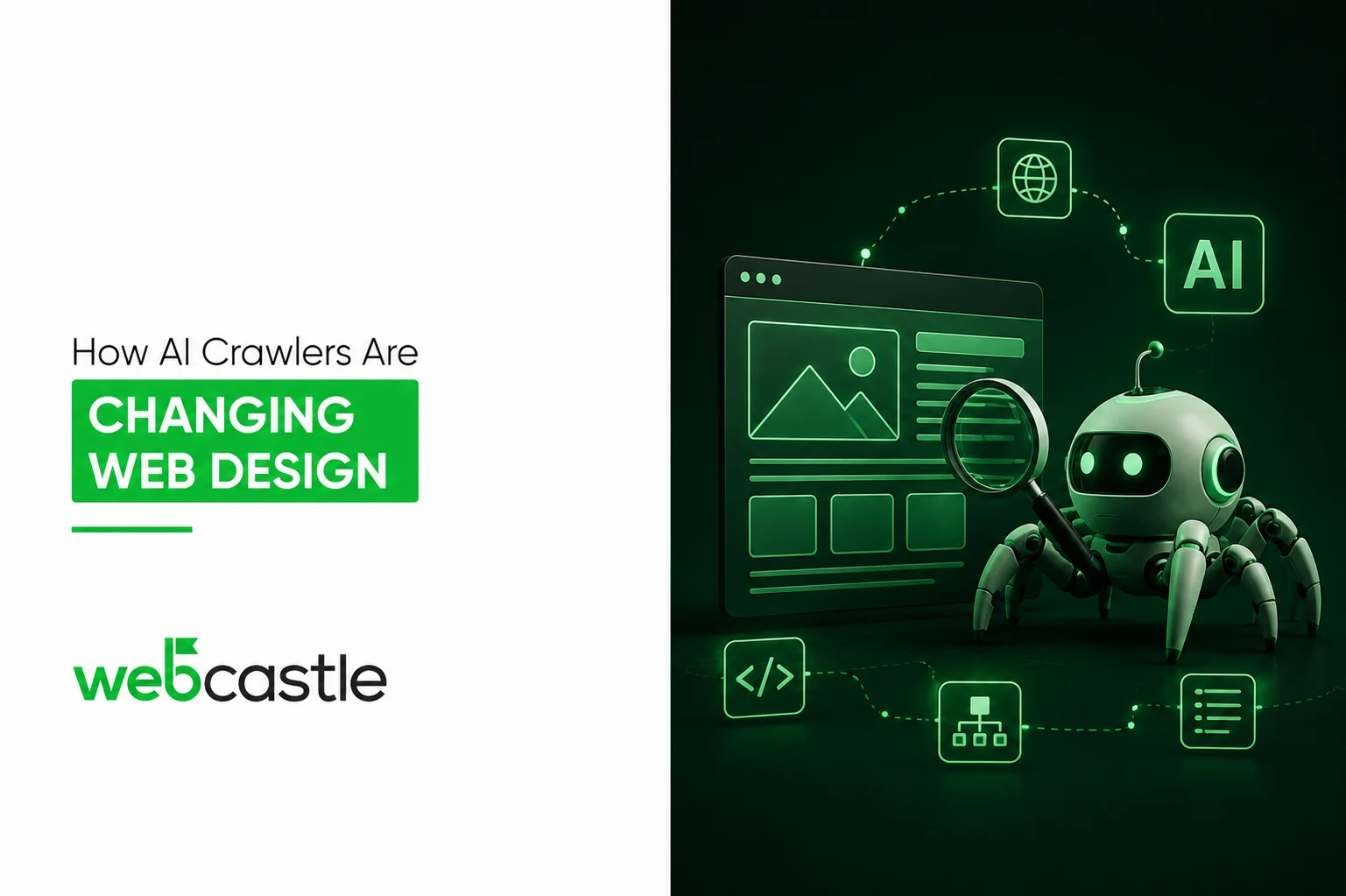
Your website used to have one main audience, people clicking through pages. But now, there is another type of visitor to consider. AI-powered search systems & automated crawlers can access website content, process information, and use it to support search and AI-generated answers.
These systems don’t interact with websites in exactly the same way we do. Depending on the platform, they may crawl pages for search purposes, retrieve content in response to a user’s query, or process information for AI-related services.
If you’ve noticed traffic or activity related to ChatGPT, Perplexity, or other AI-powered search experiences in your analytics or server logs, you’ve already encountered this changing search landscape. The concept of automated crawling isn’t new; search engines have been crawling websites for decades. What is changing is how some systems use the information they find.
A traditional search crawler primarily helps a search engine discover, understand, and index pages so they can potentially appear in search results. AI-powered systems may also process that information to help generate direct answers to users.
That shift is changing how businesses think about website content and development. Let’s break down what’s happening and what it means for the way sites get built going forward.
What Makes AI Crawlers Different
Traditional search bots such as Googlebot crawl websites so search engines can discover and process their content. AI-related crawlers and automated fetchers can serve different purposes depending on the system behind them. Some are used for search indexing, while others may retrieve pages when a user asks a question.
This means there isn’t one single way that an “AI crawler” works.
What is becoming increasingly important is the quality and accessibility of the information on a website. A page filled with keywords but lacking useful information doesn’t provide much value. Clear explanations, accurate facts, descriptive headings, and well-organised content make information easier for both people and automated systems to understand.
The goal shouldn’t be to create content specifically for machines. It should be to create useful content that can be understood clearly by both audiences.
Why Website Speed Matters More Than Ever
Speed has always mattered for user experience, and it continues to matter as search evolves. Large images, unnecessary scripts, third-party tools, and poorly optimised plugins can make pages slower and harder to use.
Different crawlers and automated systems have different ways of accessing websites, so a slow page won’t automatically be ignored by every AI system. However, unnecessary technical friction can make it harder for systems to retrieve or process important content.
Core Web Vitals remain useful measures of website performance, covering areas such as loading performance, responsiveness, and visual stability. They are part of Google’s page-experience considerations and are also useful benchmarks for improving the overall user experience.
A fast website isn’t just about satisfying search engines. It helps visitors reach important information quickly and creates a better experience for everyone accessing the site.
Web Design Practices for the AI Search Era
Here’s something businesses should consider when building modern websites: important content shouldn’t depend entirely on complicated client-side processes to become available.
Modern search engines such as Google can render JavaScript, but not every crawler or automated fetcher has the same rendering capabilities. If important content only appears after JavaScript executes, some systems may have difficulty accessing or processing that information.
Server-side rendering (SSR), static rendering, or prerendering can be useful approaches for websites where important content needs to be available quickly and reliably.
Semantic HTML also remains a good development practice. Using appropriate elements such as `<article>`, headings, lists, and tables provides structure and makes content easier to understand. It also supports accessibility and helps create a clearer relationship between different parts of a page.
Clear headings are particularly useful. Instead of using vague or overly creative headings, describe what the section actually covers. This makes the page easier for people to scan and gives search systems additional context.
FAQ sections can also be useful when they answer genuine questions related to the topic. They provide information in a straightforward question-and-answer format that works well for readers. However, FAQs shouldn’t be added simply to increase keyword coverage or because they are assumed to guarantee visibility in AI-generated answers.
Structured data can provide additional context about the information on a page. Depending on the content, this could include Product, Article, Organisation, Breadcrumb, or other appropriate schema types. Structured data can help search engines understand content and may support eligible search features, but there is no special schema markup required specifically for Google’s AI Overviews or AI Mode.
Robots.txt also remains an important part of managing how crawlers access a website. Website owners can use it to provide crawling instructions, including instructions for some AI-related crawlers. However, robots.txt should be configured carefully based on the website’s objectives and the documentation provided by individual platforms.
The proposed llms.txt approach has also received attention as a way of providing AI-friendly information about a website. However, it is still a proposal rather than a universally adopted web standard, and it is not required by Google for appearing in AI Overviews or AI Mode.
Designing for AI Without Losing the Human Experience
It’s easy to get caught up in optimising websites for AI systems, but the sites that will hold up best are still the ones that serve people well.
Write for the person first and structure the content clearly. Short paragraphs, descriptive headings, useful links, and straightforward explanations make information easier for visitors to understand. They also make the content easier for automated systems to process.
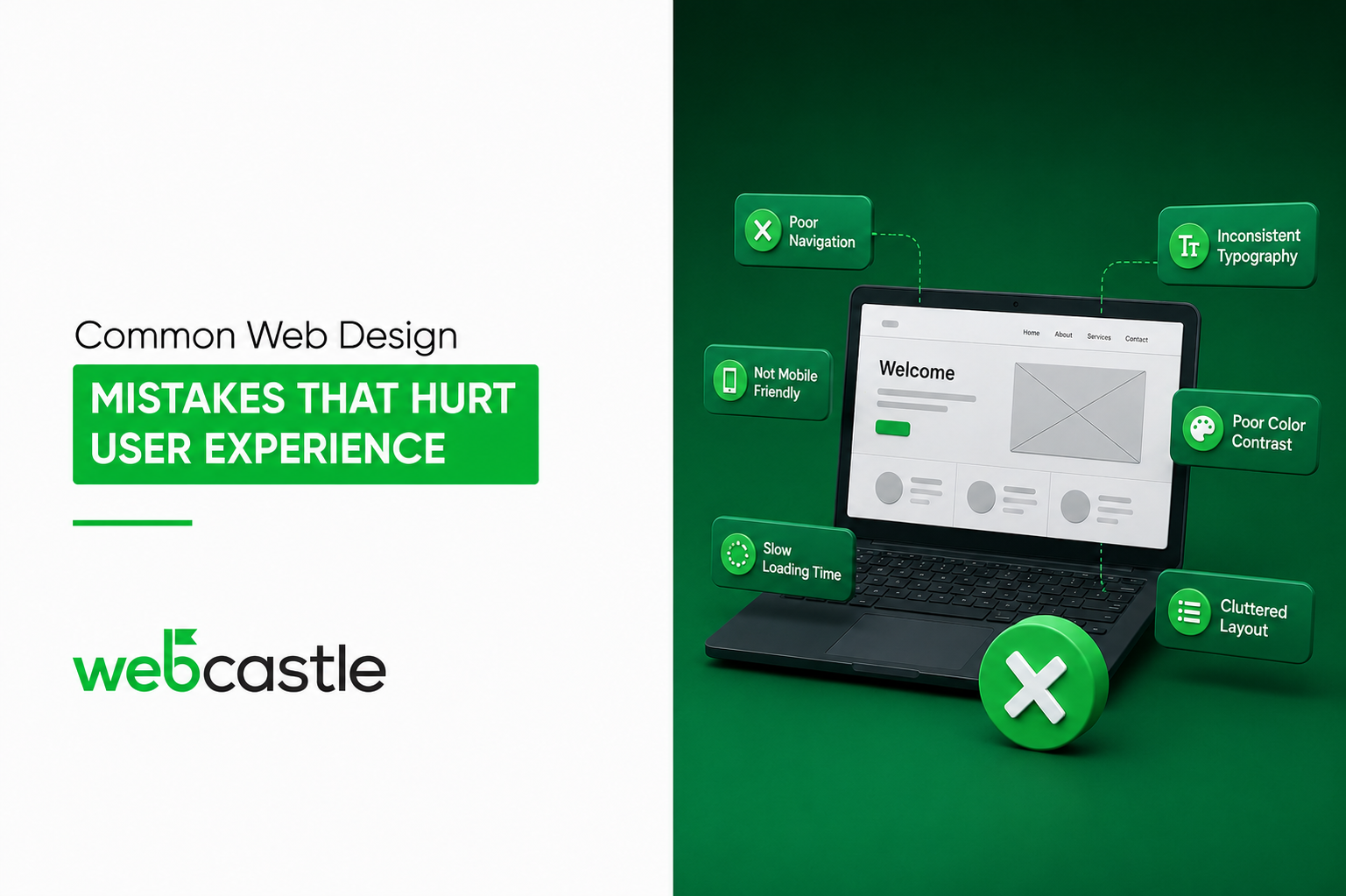
Visual design still matters. A page can have clean HTML and well-structured content but still fail if it looks cluttered, loads slowly on mobile, or makes it difficult for visitors to find what they need.
Good design should support both audiences.
Trust signals matter as well. Clear company information, accurate claims, authorship where appropriate, reliable sources, and up-to-date information can help establish credibility. Businesses should focus on providing information that can be supported rather than trying to make content sound more authoritative than it actually is.
The goal isn’t choosing between designing for humans or designing for AI. It’s building pages that are clear, useful, accessible, and technically sound enough for both.
Agencies that combine web design and digital marketing are already adapting to this changing search landscape. WebCastle Technologies, a web design agency in Dubai, focuses on creating websites with clean code, clear content structure, and user-friendly experiences that support both search engines and AI-powered systems.
As one of the best Digital Marketing company in Dubai, WebCastle Technologies also helps businesses strengthen their online visibility across traditional search and emerging AI-driven platforms.
With AI search becoming more influential, as one of the top AI companies in Dubai we know how the information is becoming an important part of a modern digital strategy. This combination of strong web development and digital marketing helps businesses stay visible as the way people search for information continues to evolve.
What This Means Going Forward
None of this means human-friendly design is going away. People still need websites that look good, load quickly, work well on mobile devices, and make it easy to find information.
What’s changing is the number of systems that can access and interpret that information.
The websites that will hold up best are likely to be the ones built on solid fundamentals: clean and accessible code, useful content, clear structure, good performance, accurate information, and sensible technical SEO.
The goal isn’t to build a website exclusively for AI.
It’s to build a website that people can use easily and that modern search and AI systems can understand clearly.