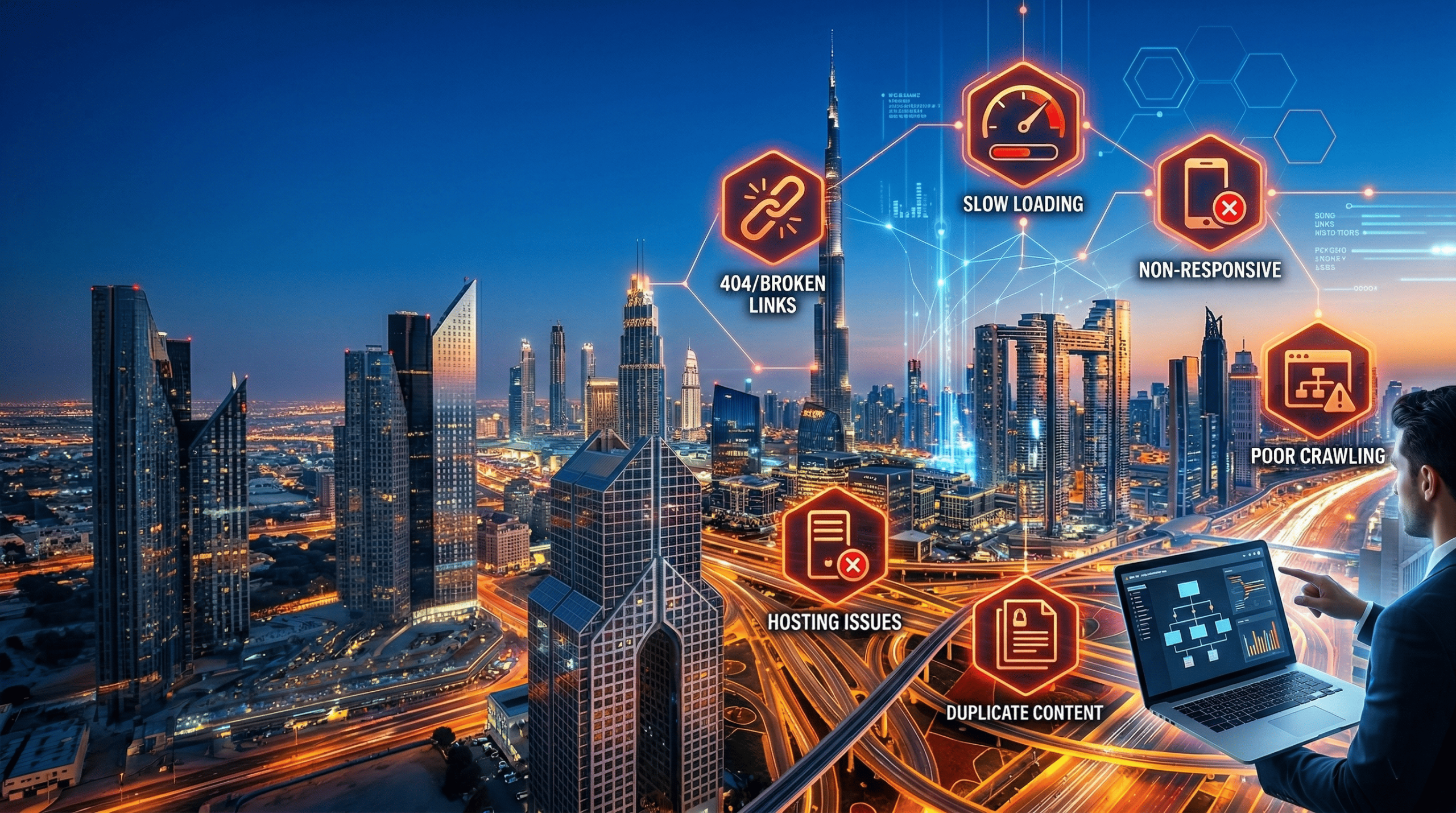




Let’s talk about digital weight. Not storage space, but the sheer, sluggish heft of a poorly built website. You’ve probably come across them – pages that load slowly, banners that lag, and menus that take forever to open. This isn’t just annoying; it’s a sign of an overloaded, inefficient system that comes with a real cost.
In 2025, the focus is changing from just about how a website looks to how effectively it performs. Every extra kilobyte of data, every unnecessary animation and every overly complex user journey consumes additional energy. This energy powers vast, humming data centres and fuels the global network that delivers content to our screens. The internet uses real energy, and its results continue to increase.
The good news? Designing leaner, more efficient websites isn’t a compromise. It’s an upgrade. It results in a faster, more accessible, and more effective online presence that serves both your users and the planet better. It’s time to put our digital creations on a performance diet.
Where Digital Weight Comes From
To fix the problem, we need to see the internet for what it is: not an abstract cloud but a chain of physical events. Loading a website requires:
- Server Work: Data comes from a data centre. The largest computer facility that needs lots of electricity and cooling.
- Data Travel: Data is transmitted via cables and satellites to your device, using energy on the way; your phone or laptop spends battery power to process and show it.
Slow loading, unoptimised content, duplicate code, and complex scripts make a website harder to run, using more energy.
How to Design a Faster, Lighter Website
The goal is to keep these simple and efficient. Here’s how to cut the digital fat:
- Become an image optimiser. This is your biggest lever. High-resolution photos often take up the most space on a page.
- What to do: Compress every image. Use modern formats like WebP. The question is, does this visual element improve real value to the user experience, or is it only decorative? Remember, simplicity often works best.
- Embrace code minimalism. Bloated, messy code is like a cluttered engine; it has to work harder.
- What to do: Clean up your CSS and JavaScript. Remove old plugins and scripts that are no longer in use. Streamlined code is efficient code. It loads faster and is easier to maintain.
- Design for Short Journeys. The most effective click is one your user doesn’t have to make.
- What not to do: Don’t prioritise fancy navigation over simplicity. Your user can reach the contact form in two clicks instead of five; you’ve saved a significant amount of energy required for their visit. Good usability is, by nature, sustainable.
- Choose a Green Home – because where you live makes all the difference
- What to do: Choose a hosting company that uses renewable energy. It’s for running operations. This is one of the best steps to lower your website’s environmental impact.
The Business Sense of a Lighter Website
This isn’t just an ethical decision; it’s a shrewd business strategy. A performant website delivers tangible returns:
- Superior Performance: Google and other search engines explicitly reward fast, user-friendly websites. The techniques you use to reduce digital weight are the same ones that will boost your search rankings.
- Conversion Improvements: Slow websites annoy customers and make them leave. It provides a smarter and faster user experience, which keeps visitors engaged while also increasing the likelihood that they’ll be ready to purchase or subscribe.
- Real Brand Building: In today’s world, customers trust brands that feel genuine. Showing efficiency online is the best way to attract customers for the long term.
The Environmentally Unfriendly Websites.
Heavy websites quietly drain enormous amounts of energy. Data companies use large amounts of electricity and cooling services. The more data your site uses, the more energy it consumes, adding to the brand’s digital carbon footprint.
The Role of Design in Digital Efficiency
Design is not just about aesthetics – it directly influences the efficiency of your website. Clean layouts, simple interfaces and minimal use of animations reduce the amount of data needed to load a page. Thoughtful design choices can significantly lower a site’s page weight while still creating a strong visual impression.
Designing a Long-Term Digital Strategy
Creating a lighter website is only the first step. A long-term result comes from adopting continuous optimisation. Regular audits, performance testing, and responsible design practices keep your site efficient as it develops.
Joining the Movement for a Lighter Web
Such a change does not require an overnight overhaul – it starts with a shift in mindset. It’s about asking better questions at the beginning of a project and making smarter choices throughout.
This is one of the principles at WebCastle. We believe we can create attractive and effective websites without compromising reliability and functionality. We are here to help whenever you want to build a faster and more efficient site.
Let’s build something better together. Contact https://webcastletech.com/ today to start discussing your new project.