




The costly Morning Coffee: A Dubai Horror Story
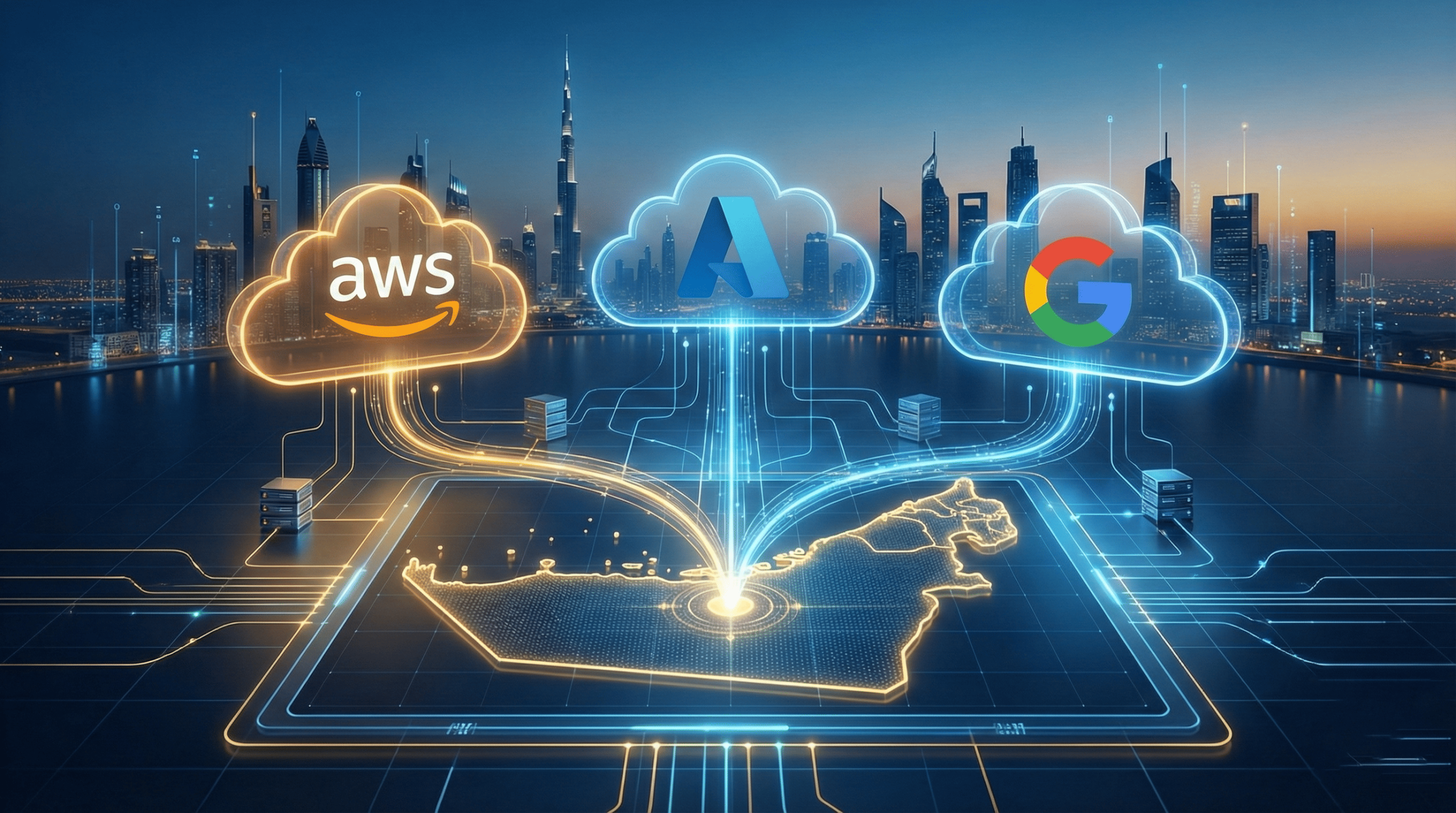
Imagine the well-known retail companies migrated the entire legacy stack to Amazon AWS Dubai in a weekend. They didn’t refactor; they just “lifted and shifted.” By the following month, the CFO wasn’t looking at a 30% savings report. They were looking at a bill for $50,000 for “idle resources” and “inter-regional data transfers, which were never considered. They treated the cloud as a rented storage unit in Al Quoz. They thought they could just throw everything in and forget about it. The cloud isn’t a storage unit. It’s a taxi meter that never stops.
The Problem: The “Cloud Is Cheap” Delusion
The core reason most migrations fail in the UAE is the total lack of architectural discipline. Decision-makers view the cloud as a commodity. It is not. It is a myriad of services where every click is a cost. The agility of Amazon Web Services Dubai overrules the “Total Cost of Ownership” (TCO). It is a common misconception that server hardware is the only cost in a cloud. It is illogical. You’re not paying for hardware; you’re paying for a service. It’s like DEWA bills in a Dubai summer. If you leave the AC on with the windows open, you’re going to lose money.
The 7 Hidden Costs of Cloud Migration
1. The “Lift and Shift” Tax (Refactoring Costs)
Simply put, moving legacy applications to Amazon AWS Dubai and not changing any of the code is basically financial suicide. Legacy apps are “chatty”; they make inefficient and constant requests to a database. This is a free service when in a local data centre, but in the cloud, every request and database call adds cost.
The Fix: If your app is not cloud-native, you will lose money.
2. Data Egress Fees
Cloud providers are comparable to expensive hotels. They let you check in and even get data easily, but you get charged for data egress. Accessing your data in the cloud is typically free, but there are high costs when you have to get data out or even move data between regions.
The Fix: Map Your Data Flow. Data egress costs are minimised if the computing and the storage are kept in the same Availability Zone.
3. Over-Provisioning
A lot of the time, engineers provision 5XL instances for workloads that don’t even need a medium-sized instance. However, “safety margins” in the cloud are simply a waste.
The Fix: Implement Auto-scaling. If it is 3 AM on a Tuesday and there is no traffic, your server capacity should be automatically dropped.
4. The Resource Graveyard
Unattached storage volumes, Elastic IP addresses, and Snapshots are the “ghosts” of instances that get deleted and then keep billing you month after month.
The Fix: Initiate strict tagging policies. If a resource is not tagged to an owner or a project, trigger its automated deletion.
5. Personnel & Training Gaps
Your IT team knows how to fix a physical server. Most likely, they don’t know how to work with Lambda functions or manage S3 lifecycle policies. Learning the job costs you in other ways, including the monthly bill.
The Fix: Spend money on certified professionals or partner with a managed service provider who knows Amazon Web Services in Dubai.
6. Software Licensing Complications
Many CEOs assume the current enterprise licenses they have will work in the cloud. They often don’t. You could end up with a license that is “core” based on a virtual machine that scales, resulting in huge legal and financial problems.
The Fix: Do a “Bring Your Own License” (BYOL) audit before you migrate any data.
7. Regional Pricing Disparities
Hosting in the UAE region (me-central-1) has different price points than US-East. While local hosting is critical due to data residency laws in the UAE, a lack of optimisation for local pricing can result in a 20% “premium” that is unplanned.
The Fix: Use “Reserved Instances” or “Savings Plans” for the Dubai region to manage and obtain better prices.
The Solution: Aggressive Cloud Cost Optimisation Strategies
To survive in the cloud, you can no longer be a passive consumer. You must become an active manager. This entails:
- Real-time Observability: If you can’t see the cost of a microservice in real-time, you aren’t managing it.
- Rightsizing: Continuously adjusting one’s workload patterns and scaling down instances that are overly provisioned.
- Governance: Setting up Cloud Financial Management (FinOps) and making it obligatory for the units to manage their spend.
Why WebCastle Dubai?
Dubai is a city of efficiency and lofty ambitions. Your digital ecosystem should reflect that. At WebCastle Dubai, we do not merely “relocate” you to the cloud; we design your sustainable existence within it. We have witnessed far too many businesses fail, as they considered Amazon AWS Dubai an advanced technology solution, rather than a financial one. If you want to end “Cloud Bill Shock” and require a digital ecosystem that is profit-positive, stop with the guessing.
We eliminate the waste while leaving the vital. Don’t allow your cloud budget to disappear into the desert. Reach out to WebCastle Dubai for a cloud cost audit and gain control of your digital il business.